Bass Duduk: Deep, Cinematic Sound for Modern Music
Introduction
The bass duduk occupies a special place in the world of expressive wind instruments. Deeper, darker, and slower than the standard duduk, it offers a sound that feels grounded, cinematic, and profoundly human. Its voice does not rush. It unfolds with gravity, space, and emotional weight.
While the traditional duduk has long been associated with Armenian cultural expression, the bass duduk has found a powerful role in modern film scoring, ambient music, and atmospheric composition. For composers and musicians seeking depth rather than brightness, the bass duduk delivers something rare: a low register that breathes.
This article explores what the bass duduk is, how it differs from the standard duduk, why its sound feels so cinematic, and when it becomes the right instrument for modern music creation.
What Is a Bass Duduk?
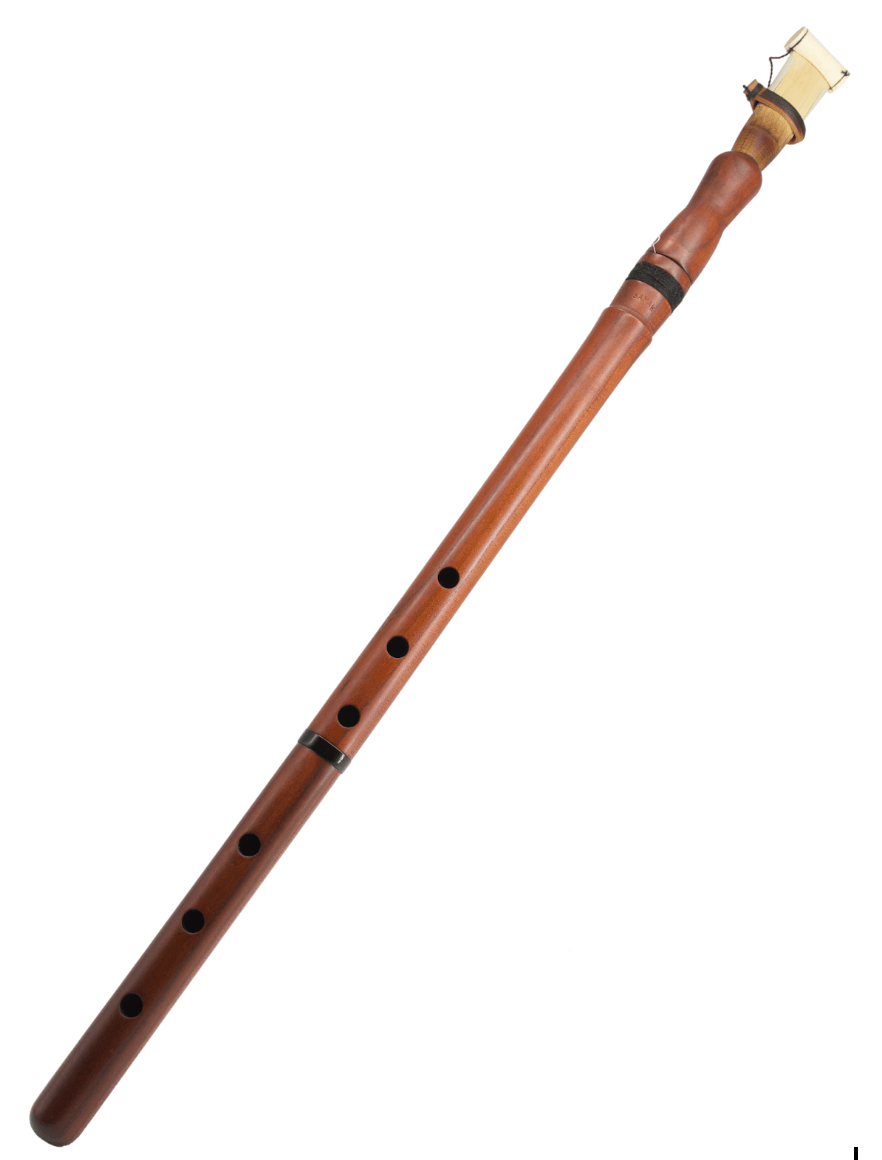
The bass duduk is a lower-pitched version of the traditional Armenian duduk. It follows the same principles of craftsmanship but is longer in construction and features an angled headjoint to allow for an ergonomic playing position. Like all authentic duduks, it is typically made from aged apricot wood and paired with a wide double reed.
What sets the bass duduk apart is its longer body, wider bore, and deeper tuning. These features allow it to produce a sound that is:
- Dark and resonant
- Warm and enveloping
- Breath-heavy and organic
- Slow to speak, but rich in texture
Rather than serving as a melodic lead in fast passages, the bass duduk excels at atmosphere, sustained tones, and emotional grounding.
Bass Duduk vs Standard Duduk
Although they share the same cultural roots, the bass duduk and standard duduk serve different musical purposes.
Standard Duduk
- More versatile
- Easier to control
- Suitable for beginners
- Ideal for melodic lines
Bass Duduk
- Lower and darker register
- Slower response
- Requires stronger breath support
- Designed for cinematic and ambient use
For many musicians, the bass duduk is not a replacement but a complement to a standard duduk, expanding the emotional and tonal range of their palette.
Why the Bass Duduk Sounds so Cinematic
The cinematic quality of the bass duduk is no accident. It results from a combination of acoustics, physiology, and musical context.
Low Frequencies and Emotion
Lower frequencies are naturally associated with gravity, depth, and introspection. The bass duduk operates close to the lower range of the human voice, creating an immediate emotional connection.
Slow Tonal Development
Unlike instruments that respond instantly, the bass duduk speaks slowly. Notes bloom rather than strike, making them ideal for:
- Long shots
- Emotional transitions
- Suspended tension
- Reflective scenes
Space and Silence
The bass duduk leaves room between notes. This space allows music to breathe and gives silence narrative power — a key element in cinematic storytelling.
The Bass Duduk in Film and Media Scoring
The bass duduk is increasingly favored by composers working in:
- Film and television
- Video games
- Documentaries
- Trailers and cinematic sound design
It is often used to express:
- Memory and nostalgia
- Inner conflict
- Vast landscapes
- Cultural depth
- Emotional restraint
In modern scoring, where subtlety often carries more impact than volume, the bass duduk provides emotional clarity without excess.
Bass Duduk in Ambient and Experimental Music
Beyond film, the bass duduk plays a significant role in:
- Ambient compositions
- Drone-based music
- Meditation and sound-healing projects
- Experimental and minimalist soundscapes
Its breath-driven tone blends seamlessly with pads, strings, and textures. Even a single sustained note can anchor an entire composition, making the bass duduk a powerful tool for musicians who work with space and mood.
Is the Bass Duduk Right for You?
The bass duduk is best suited for musicians who:
- Already have wind instrument experience
- Compose cinematic or atmospheric music
- Prefer slow, expressive phrasing
Because of its size and airflow requirements, the bass duduk is generally not recommended as a first duduk. It rewards patience, breath control, and a developed sense of tone.
Craftsmanship and Materials
A high-quality bass duduk demands exceptional craftsmanship. Its larger dimensions make precision even more critical.
Key elements include:
- Carefully aged apricot wood
- Precisely shaped bore
- Balanced finger hole placement
- Reeds matched specifically for low airflow
Small inconsistencies that might go unnoticed in smaller instruments can significantly affect tuning and response in a bass duduk. This is why handcrafted instruments are essential at this scale.
Playing Technique and Breath Control
Playing the bass duduk is a physical experience. Compared to the standard duduk, it requires:
- Deeper, more controlled breathing
- Stable airflow over longer phrases
- Relaxed embouchure
- Awareness of resonance rather than volume
The goal is not force, but sustained control. When played correctly, the bass duduk feels less like an instrument and more like an extension of the breath.
Caring for a Bass Duduk
Due to its size and material, proper care is crucial:
- Avoid sudden temperature or humidity changes
- Allow the instrument to acclimate before playing
- Store reeds separately
- Gently dry the interior after use
With consistent care, a bass duduk matures beautifully, gaining depth and stability over time.
Why Modern Musicians Choose the Bass Duduk
In an era dominated by digital libraries and synthetic textures, many composers seek sounds that feel alive. The bass duduk offers:
- Organic imperfection
- Direct physical connection to sound
- Emotional honesty
- A unique low-register voice
It does not compete with other instruments — it grounds them.
The Bass Duduk Today
At Duduk Rocks, the bass duduk is approached as a modern instrument rooted in tradition. Careful material selection, handcrafted construction, and sound-focused design ensure that each instrument serves both cultural authenticity and contemporary musical needs.
For composers and musicians seeking cinematic depth rather than surface impact, the bass duduk remains unmatched.
FAQ – Bass Duduk
What is a bass duduk?
A lower-pitched version of the traditional Armenian duduk, designed to produce a deep, dark, and cinematic sound.
How is a bass duduk different from a standard duduk?
The bass duduk is larger, lower in pitch, slower to respond, and more demanding in breath control, but offers greater depth and atmosphere.
Is the bass duduk suitable for beginners?
Generally no. It is better suited for musicians with prior wind instrument experience.
What music styles use the bass duduk?
Film scoring, video games, ambient music, experimental compositions, and sound healing.
What wood is a bass duduk made from?
Traditionally from aged apricot wood, chosen for warmth and resonance.
How do I know if a bass duduk is high quality?
Look for handcrafted construction, aged wood, stable tuning, and reeds designed specifically for low airflow instruments.