Duclar: The Innovative Duduk-Clarinet Hybrid Instrument Explained
The world of wind instruments is constantly evolving. While traditional instruments continue to preserve centuries of musical heritage, modern instrument makers are also exploring new ways to combine sounds, playing techniques, and musical possibilities. One of the most interesting examples of this innovation is the Duclar.
If you have recently encountered the term, you may be wondering: What is a Duclar?
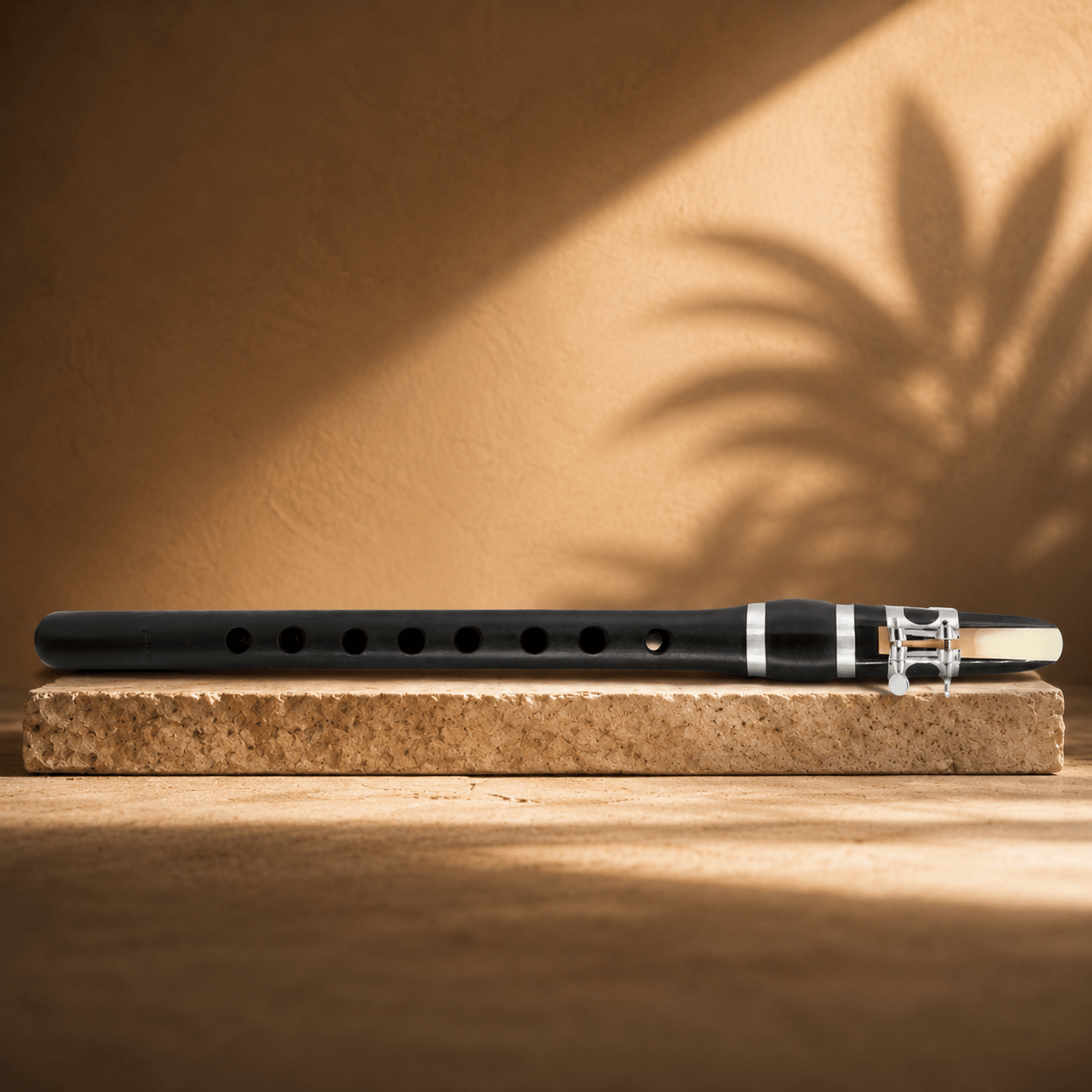
The Duclar is a hybrid instrument that combines characteristics of the traditional Armenian duduk and the clarinet. By bringing together elements from both instruments, it offers musicians a unique playing experience that bridges tradition and modernity.
The Duclar is an exciting development in the world of woodwind instruments for players who love the emotional warmth of the duduk but struggle with the original Reed.
In this guide, we explore what the Duclar is, how it differs from the traditional duduk, what makes its sound unique, and why it is attracting attention among musicians interested in innovation and expressive performance.
👉 Discover the Armenian Duduk: https://duduk-rocks.com/
👉 Explore more articles: https://duduk-rocks.com/blog/
The Duclar: Traditional Duduk Sound with Modern Clarinet Comfort
The Duclar is an innovative hybrid woodwind instrument designed to bridge the gap between two musical worlds. It perfectly preserves the deep, emotional sound character of the traditional Armenian duduk while optimizing the playing experience for clarinetists.
Authentic Duduk Body & Fingerings
Unlike other hybrid instruments, the Duclar does not expand the instrument’s range. It features an authentic duduk body, and the fingerings remain completely identical to the traditional Armenian duduk.
The Duclar Advantage: Clarinet Mouthpiece Compatibility
The main benefit of the Duclar lies in its mouthpiece. Instead of using the challenging double reed, the instrument is played with a standard clarinet mouthpiece. This ensures an easier transition, familiar embouchure, and effortless response—all while maintaining that iconic, warm duduk sound.
The name itself reflects its hybrid nature:
- Du from Duduk
- Clar from Clarinet
The result is an instrument that seeks to unite two different musical traditions into a single expressive voice.
The Influence of the Armenian Duduk
To understand the Duclar, it is important to first understand the instrument that inspired it.
The Armenian duduk is one of the most recognizable traditional woodwind instruments in the world. Crafted from apricot wood and played using a large double reed, it is known for its:
- Warm tone
- Vocal-like phrasing
- Emotional depth
- Rich cultural heritage
The duduk has been used for centuries in traditional Armenian music and remains closely associated with storytelling, celebration, and remembrance.
If you are new to the instrument, you may enjoy reading our guide:
Duduk Meaning: The History, Symbolism, and Cultural Significance of Armenia’s Iconic Instrument
which explores the history and cultural significance of the instrument in greater detail.
The creators of the Duclar sought to preserve many of these qualities while introducing new possibilities for contemporary musicians.
The Clarinet Connection
The clarinet is one of the most versatile woodwind instruments in Western music.
Known for its:
- Wide range
- Dynamic flexibility
- Technical agility
the clarinet has become a staple of orchestral, jazz, chamber, and contemporary music.
By drawing inspiration from the clarinet, the Duclar aims to offer:
- Greater melodic flexibility
- Extended playing possibilities
- Increased adaptability across musical genres
This combination creates an instrument capable of exploring new musical territories while maintaining a connection to traditional duduk aesthetics.
How Does the Duclar Differ from a Traditional Duduk?
Although inspired by the duduk, the Duclar should not be viewed as a replacement.
Instead, it serves as an alternative approach with its own strengths.
Tone
The traditional duduk produces a particularly warm, breathy, and intimate sound.
The Duclar retains some of this warmth while introducing additional clarity and projection.
Musical Context
The duduk excels in:
- Traditional music
- Folk melodies
- Emotional solo performances
The Duclar is often better suited for:
- Fusion projects
- Experimental music
- Contemporary compositions
- Cross-cultural collaborations
Sound Characteristics of the Duclar
One of the most fascinating aspects of the Duclar is its sound.
Listeners often notice qualities borrowed from both parent instruments.
Warmth
The influence of the duduk contributes warmth and emotional depth.
Clarity
The clarinet-inspired design helps create greater articulation and projection.
Flexibility
The instrument can adapt to different musical environments more easily than many traditional folk instruments.
Expressiveness
Like the duduk, the Duclar allows musicians to shape notes with subtle nuances and expressive phrasing.
These characteristics make it appealing to players seeking both tradition and innovation.
Why Musicians Are Interested in Hybrid Instruments
The development of hybrid instruments is not unique to the Duclar.
Throughout musical history, instrument makers have experimented with new designs to:
- Expand tonal possibilities
- Improve ergonomics
- Increase versatility
- Create new musical voices
The Duclar follows this tradition of innovation.
For musicians who enjoy exploring different genres, hybrid instruments offer opportunities that traditional instruments sometimes cannot provide.
Duclar in Contemporary Music
The Duclar is particularly well suited to modern musical environments.
World Music
Its blend of traditional and contemporary characteristics makes it a natural fit for world music projects.
Film and Cinematic Music
Composers often look for unique timbres capable of conveying emotion and atmosphere.
The Duclar’s expressive sound makes it suitable for:
- Dramatic scenes
- Historical themes
- Atmospheric compositions
Fusion Projects
The instrument can serve as a bridge between:
- Eastern and Western traditions
- Folk and contemporary styles
- Acoustic and modern arrangements
Experimental Music
Because it is relatively uncommon, the Duclar offers a fresh sound palette for composers and performers interested in experimentation.
Duclar vs Duduk: Which Should You Choose?
This is one of the most common questions musicians ask.
Choose a Duduk if You Want:
- Traditional Armenian repertoire
- Authentic cultural performance
- Historical playing techniques
- The classic duduk sound
Choose a Duclar if You Want:
- Expanded musical possibilities
- Greater stylistic flexibility
- Contemporary applications
- A hybrid musical experience
Neither instrument is inherently better than the other.
The choice depends entirely on your musical goals.
The Future of Instruments Like the Duclar
As musicians continue to explore new sounds and musical identities, hybrid instruments are likely to become increasingly important.
The Duclar demonstrates how innovation can coexist with tradition.
Rather than replacing established instruments, it offers an additional voice that broadens the possibilities available to performers and composers.
Its existence highlights an important principle in music:
Innovation often emerges not from abandoning tradition, but from building upon it.
Conclusion
The Duclar represents an intriguing meeting point between the expressive world of the Armenian duduk and the versatility of the clarinet.
By combining influences from both instruments, it creates a unique musical voice capable of serving traditional, contemporary, and experimental purposes alike.
For musicians interested in exploring new sounds while remaining connected to the rich heritage of the duduk, the Duclar offers an exciting and innovative path forward.
As interest in hybrid instruments continues to grow, the Duclar stands as a fascinating example of how musical traditions can evolve while preserving the qualities that made them meaningful in the first place.
Frequently Asked Questions
What is a Duclar?
The Duclar is a hybrid wind instrument inspired by both the Armenian duduk and the clarinet.
Is the Duclar a traditional instrument?
No. Unlike the duduk, the Duclar is a modern instrument that combines elements from different musical traditions.
How is the Duclar different from a duduk?
The Duclar generally offers greater flexibility and expanded musical possibilities while maintaining some of the expressive qualities associated with the duduk.
Can clarinet players learn the Duclar?
Many clarinet players may find certain aspects familiar, although the instrument has its own playing characteristics.
What type of music can be played on a Duclar?
The Duclar can be used in world music, fusion, contemporary compositions, cinematic music, and experimental projects.
Is the Duclar suitable for beginners?
Like any wind instrument, it requires practice, but its suitability depends on the player’s musical background and learning goals.