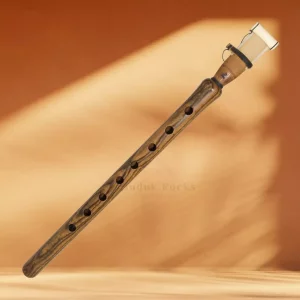
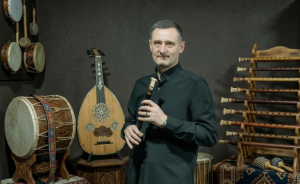
The Duduk: The Soul of Armenia in a Single Instrument
The Duduk, as we know it today, is the result of thousands of years of evolution. It is far more than just a musical instrument; it is the embodiment of Armenian history, spirituality, and wisdom. In this post, you will discover why this simple woodwind instrument has conquered the world and why its sound touches the human soul so deeply.
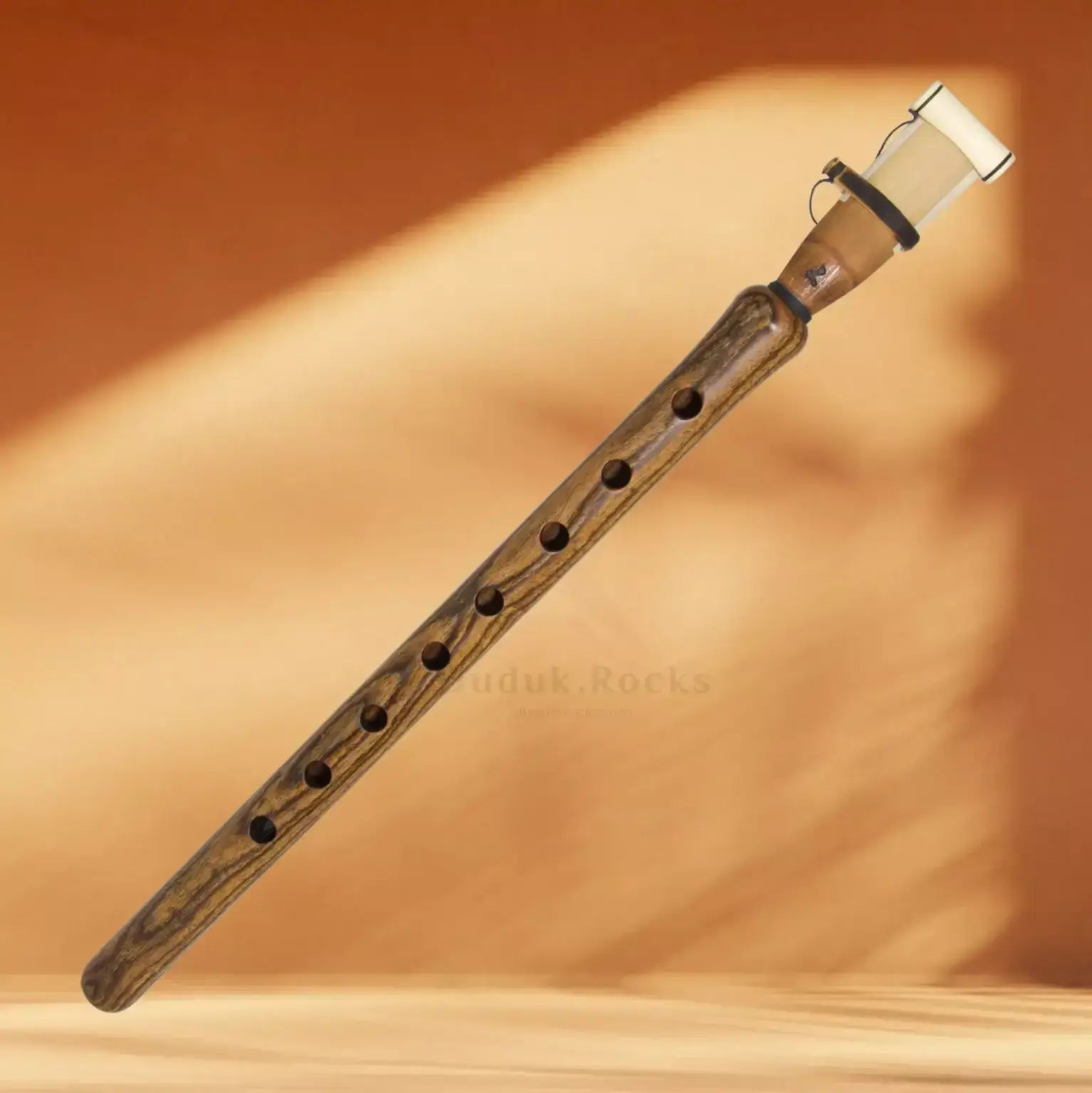
👉 Discover the Armenian Duduk: https://duduk-rocks.com/
👉 Explore more articles: https://duduk-rocks.com/blog/
An Instrument That Transcends Millennia
While time often displaces the old, the Duduk has perfected its form over centuries to express the deepest emotions of the Armenian people. Although similar instruments exist in other cultures—such as the Persian Balaban, the Turkish Mey, or the Georgian Duduki—the Armenian variant stands out significantly in its construction, tonal character, and performance technique.
👉 Learn more about duduks: https://duduk-rocks.com/shop/
National Significance
For Armenians, the Duduk serves as a symbol of historical memory. It is a faithful companion in all stages of life:
Celebrations: It resonates at joyous weddings.
Mourning: It provides solace in the darkest moments.
Identity: Its value to Armenia is comparable to polyphony in Georgia or Mugham in Azerbaijan.
The Sound of the Human Voice
A unique feature of the Duduk is its proximity to the human voice. This quality makes it ideal for folk songs. Famous musicians like Jivan Gasparyan or Vache Hovsepyan perfected this connection, often both playing and singing during their performances.
Duduk music is also inseparably linked to the Armenian language, its dialects, and classical poetry (such as the works of Avetik Isahakyan).
👉 Learn to play the duduk: https://duduk-rocks.com/teacher/
The Duduk in the Modern World and Cinema
Although the Duduk is a traditional instrument, it has long since found its way into global pop culture and the film industry. Its unmistakable sound can be heard in numerous Hollywood blockbusters, including:
Gladiator (2000) – Hans Zimmer
Dune (2021) & Dune: Part Two (2024) – Hans Zimmer
The Last Temptation of Christ (1988) – Peter Gabriel
The Passion of the Christ (2004) – John Debney
Munich (2005) – John Williams
The Chronicles of Narnia – Harry Gregson-Williams
Blood Diamond (2006) – James Newton Howard
The Crow (1994) – Graeme Revell
👉 Discover more about duduk music: https://duduk-rocks.com/blog/
Tradition Meets Modernity
In classical music, composer Avet Terterian set new standards in his 3rd Symphony by integrating the Duduk into a symphonic orchestra without compromising its traditional character. Similarly, Vache Sharafyan wrote works for the Duduk that have been performed internationally by world stars like cellist Yo-Yo Ma as part of the “Silk Road” project.
👉 Explore professional duduks: https://duduk-rocks.com/shop/
❓ FAQ – Armenian Duduk
1. What is the Armenian duduk made of?
The duduk is traditionally crafted from apricot wood, which gives it its warm, deep, and emotional sound.
2. Why does the duduk sound so emotional?
Its double reed and wood density create a tone very close to the human voice, which naturally evokes emotion.
3. Is the duduk difficult to learn?
It requires breath control and technique, but beginners can start with proper guidance and practice.
👉 Learn here: https://duduk-rocks.com/teacher/
4. Where can I buy a professional duduk?
You can explore high-quality instruments online here:
👉 https://duduk-rocks.com/shop/
5. In which music genres is the duduk used?
It is used in traditional Armenian music, film scores, classical compositions, and even modern fusion music.
6. Why is the duduk important in Armenian culture?
It represents history, identity, and emotion, and is present in both celebrations and mourning rituals.