Duduk: The Ancient Armenian Instrument with a Timeless, Human Voice

Introduction
The duduk is not an instrument that demands attention through volume or virtuosity. Instead, it speaks quietly, patiently, and with emotional weight. Its sound feels intimate — almost fragile — yet it has survived centuries, cultures, and musical revolutions.
Often described as haunting, warm, or deeply human, the duduk occupies a unique place in the world of music. It is rooted in Armenian tradition, yet it has found a powerful role in modern film scores, ambient compositions, and emotional storytelling across the globe.
This article explores the duduk in depth: what it is, where it comes from, why it sounds the way it does, and why — in an era of digital perfection — its voice feels more relevant than ever.
What Is the Duduk?
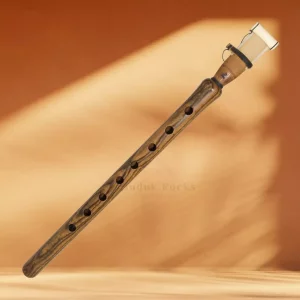
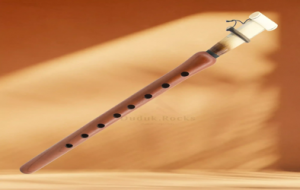
The duduk is a traditional double-reed woodwind instrument originating from Armenia. It is typically made from aged apricot wood and paired with a wide, flat reed that produces a slow, breath-rich vibration.
Unlike many wind instruments designed for projection, speed, or technical brilliance, the duduk is built for expression. Its sound is soft, rounded, and deeply resonant, often compared to the human voice in its ability to convey emotion without words.
The duduk does not rush. It invites space between notes, subtle changes in breath, and long, sustained tones that allow listeners to feel rather than analyze the music.
The Ancient Origins of the Duduk
The history of the duduk stretches back more than a thousand years. Archaeological and historical evidence places its development firmly within Armenian culture, where it has long been associated with everyday life as well as ceremonial moments.
Traditionally, the duduk accompanied:
- Folk songs and dances
- Weddings and celebrations
- Funerals and moments of mourning
- Storytelling and poetry
In Armenian culture, music is not separate from life — and the duduk reflects that philosophy. Its voice is meant to mirror human emotion: joy, longing, sorrow, reflection.
In recognition of its cultural importance, UNESCO inscribed duduk music on the Representative List of the Intangible Cultural Heritage of Humanity, acknowledging both the instrument and the traditions surrounding it.
Why the Duduk Sounds So Emotional
Many listeners struggle to explain why the duduk feels so moving. The answer lies in a rare combination of physical design and musical philosophy.
Several factors shape the duduk’s emotional depth:
1. The Reed
The duduk reed is unusually wide and flat. This allows it to vibrate more slowly than reeds found on instruments like the oboe. Slower vibration produces a warmer, less aggressive sound that feels closer to human breathing.
2. The Pitch Range
Most duduks are tuned lower than many Western wind instruments. Lower frequencies naturally evoke calm, introspection, and gravity — emotions often associated with the duduk’s voice.
Most duduks are tuned to A = 440 Hz, the standard shared by most Western wind instruments. Both 440 Hz and 432 Hz options exist, but 440 Hz prevails for compatibility. Lower frequencies — from 432 Hz tunings or deeper duduk variants — naturally evoke calm, introspection, and gravity, emotions tied to the duduk’s haunting voice.
3. Breath-Driven Expression
The duduk responds directly to breath pressure. Subtle changes in airflow dramatically affect tone, volume, and texture. This makes the instrument extremely expressive, but also deeply personal.
4. The Role of Silence
Perhaps most importantly, the duduk allows silence to exist. Pauses are not empty; they carry tension, memory, and meaning. In many performances, what is not played is just as powerful as what is.
The Duduk and Armenian Cultural Identity
For Armenians, the duduk is far more than an instrument — it is a cultural symbol. Its sound is often associated with:
- Homeland and landscape
- Collective memory
- Loss and resilience
- Spiritual reflection
Historically, duduk players were not merely musicians; they were storytellers and emotional guides. The instrument accompanied life’s most important transitions, marking time not by rhythm, but by feeling.
Even today, the duduk remains closely tied to Armenian identity, both within Armenia and across the global diaspora.
The Duduk in Modern Music and Film
While deeply traditional, the duduk has found a remarkable place in contemporary music. Over the past few decades, it has become a favorite among composers and sound designers seeking emotional authenticity.
The duduk is widely used in:
- Film and television soundtracks
- Video game scores
- Ambient and cinematic music
- Meditation and sound-healing compositions
- World and fusion genres
In cinematic contexts, the duduk is often used to represent:
- Memory and nostalgia
- Vast landscapes
- Inner conflict
- Loss, reflection, or transformation
Its sound communicates emotion instantly, without the need for language or explanation.
Duduk vs Other Traditional Wind Instruments
When compared to instruments such as the oboe, shawm, or zurna, the duduk stands apart in both purpose and character.
Where many traditional wind instruments emphasize:
- Brightness
- Volume
- Rhythmic intensity
The duduk emphasizes:
- Warmth
- Intimacy
- Emotional depth
It does not dominate an arrangement. Instead, it blends seamlessly with strings, drones, pads, and minimal textures, making it especially valuable in modern scoring and atmospheric music.
Learning to Play the Duduk
The duduk is often misunderstood as either extremely easy or impossibly difficult. In reality, it sits somewhere in between.
What Makes It Challenging
- Breath control is essential
- Dynamic control and tone production
- Intonation requires sensitivity
- The reed must be properly adjusted
What Makes It Accessible
- Simple fingering system
- No complex key mechanisms
- Slow tempos allow focus on tone
Beginners often find the duduk rewarding because progress is measured not by speed, but by sound quality and emotional control.
Craftsmanship and Materials
A high-quality duduk is traditionally made from carefully aged apricot wood. The aging process is crucial, as it stabilizes the wood and enhances resonance.
Each duduk is shaped, drilled, and finished by hand. Small variations are not flaws — they contribute to the instrument’s individuality and character.
Mass-produced duduks often lack this depth, resulting in unstable tuning and a less expressive tone.
Why the Duduk Still Matters Today
In an era dominated by digital production, virtual instruments, and algorithm-driven perfection, the duduk offers something profoundly human.
It requires:
- Time
- Patience
- Breath
- Presence
The duduk cannot be rushed or automated. Each note reflects the state of the player in that moment. This honesty is precisely why musicians and listeners continue to be drawn to it.
The duduk reminds us that music does not need to be loud or complex to be powerful.
The Duduk Today
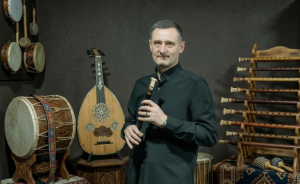
At Duduk.Rocks, the duduk is approached with respect for tradition and awareness of modern musical needs. Whether used in traditional contexts or contemporary compositions, the duduk remains a bridge between past and present.
For musicians seeking depth rather than spectacle, the duduk offers a voice that feels timeless.
Authentic Armenian Duduk Makers & Professional Duduks
Authentic professional Armenian duduks originate almost exclusively from Armenia and are handcrafted by renowned duduk makers such as Sevada Iritsyan, Karen Mukayelyan, and Sahak Gasparyan. These master craftsmen bring decades of experience to the construction of traditional duduks and work closely with internationally acclaimed duduk players to achieve exceptional sound quality, precision, and authenticity. Traditionally crafted from carefully aged apricot wood, the Armenian duduk is celebrated for its warm, resonant tone and remarkable tonal stability.
Duduk.Rocks is the world’s largest retailer and distributor of professional Armenian duduks and duduk accessories, offering an unmatched selection of original instruments directly from trusted Armenian manufacturers. Based in Germany, we provide fast delivery, competitive shipping rates, and duty-free shipping within the European Union.
When purchasing a high-quality Armenian duduk online, reputable dealers should offer personal video consultations before purchase and present the exact instrument and, most importantly, the mouthpiece selected for you—either live or via video—prior to shipping. This level of transparency ensures that sound, tuning, and playability meet your individual needs. Whether you are looking to buy an Armenian duduk as a beginner, advanced player, or professional musician, Duduk.Rocks offers expertly selected instruments that meet the highest standards.
Warning: „Professional“ Armenian Duduks on eBay, Etsy & Amazon – What You Need to Know
Are you looking to buy a Duduk and searching for a professional instrument? Be cautious when browsing major online marketplaces! Our experience shows that roughly 95% of listings on eBay, Etsy, and Amazon advertised as „Professional Armenian Duduks“ fail to meet actual professional standards.
These instruments are often priced between €40 and €190 ($45 – $200). While the price is tempting, it often leads to a costly disappointment for the player.
Why Cheap Offers Are Usually a Mistake
Unfortunately, most of these models are mass-produced items from Turkey or souvenir-quality pieces from Armenia—far removed from authentic Armenian craftsmanship.
Typical issues include:
- Low-Quality Wood: These instruments often use cheap, insufficiently seasoned wood. As a result, the wood is prone to cracking or warping shortly after purchase.
- Unstable Tuning: Precise intonation is nearly impossible, making it difficult to play along with other instruments or recordings.
- Inferior Reeds (Ghamish): The reed is the heart of the Duduk. Budget listings often include reeds so poorly made that even experienced players struggle to produce a decent tone.
- Health Hazards: Many of these Duduks are coated in cheap lacquers or varnishes that can be toxic when they come into contact with saliva during play.
Expert Insight: The Reddit community and seasoned Duduk players agree: models priced under $100–$150 are usually unplayable and serve only as decoration.
How Much Does a Real Professional Duduk Cost?
An authentic, master-crafted instrument—including a well-adjusted mouthpiece—is a true investment in your sound. Genuine professional Duduks by renowned masters such as Sevada, MKS Mukayelyan, or Sahak typically range from €300 to €400 and up.
Benefits of Buying from Specialized Shops: When purchasing from experts like Duduk.Rocks, you aren’t just buying an instrument; you are getting:
- Specialized Support and Expert Service before AND after purchasing
- Valid Warranty
- Propper Invoice
Conclusion: Buy Cheap, Buy Twice
Don’t compromise on quality. The Duduk is a highly sensitive woodwind instrument. Only with a properly adjusted reed and correctly seasoned apricot wood will you be able to achieve the haunting, soulful sounds for which this instrument is world-famous.
FAQ – Duduk Instrument
What country does the duduk come from?
The duduk originates from Armenia, where it has been part of cultural life for over a thousand years. It is deeply connected to Armenian history, tradition, and identity.
Why does the duduk sound so sad or emotional?
The duduk’s emotional quality comes from its low pitch, wide reed, breath-driven expression, and use of silence. These elements combine to create a sound that closely resembles the human voice.
Is the duduk hard to learn?
The duduk is approachable for beginners but requires patience. While fingerings are simple, controlling breath and tone takes time and sensitivity.
What wood is the duduk made from?
Traditionally, the duduk is made from apricot wood, which provides warmth, resonance, and tonal stability when properly aged.
At Duduk.Rocks, you will find the world’s largest selection of Armenian duduks, crafted from the finest tonewoods in the world. Traditionally, the duduk is made from apricot wood, which is renowned for its warm, resonant sound and exceptional tonal stability—provided the wood is carefully dried and aged over many years.
Is the duduk used in modern music?
Yes. The duduk is widely used in film scores, video games, ambient music, and modern compositions due to its emotional and cinematic qualities.
What makes a high-quality duduk?
A high-quality duduk uses aged apricot wood, a well-matched reed, precise craftsmanship, and careful tuning. Handmade instruments generally offer superior sound and longevity.