Duduk Musical Instrument: History, Sound, and Why this Ancient Instrument Still Moves the World
Introduction
Among the many traditional instruments that exist across cultures, the duduk musical instrument stands out as one of the most emotional and expressive ever created. Known for its warm, breathy tone and hauntingly beautiful sound, the duduk has the rare ability to feel almost human when it is played.
For many people discovering it for the first time, the duduk’s sound is unforgettable. It is soft yet powerful, melancholic yet comforting, and deeply connected to centuries of musical tradition. This instrument has become a symbol of Armenian culture, but its influence has expanded far beyond Armenia, appearing in film scores, world music, and contemporary compositions.
Through years of exploring traditional instruments and studying their cultural and musical significance, I’ve come to appreciate how unique the duduk truly is. From its ancient origins to its growing role in modern music, the duduk continues to captivate musicians and listeners around the world.
In this article, we will explore what the duduk musical instrument is, how it works, why its sound is so distinctive, and why it continues to inspire musicians more than 1,500 years after its creation.
What is the Duduk Musical Instrument?
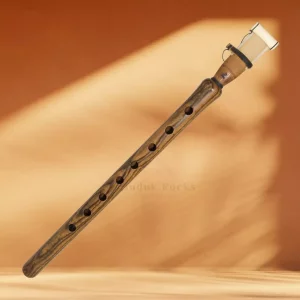
The duduk musical instrument is a traditional Armenian woodwind instrument that dates back more than 1,500 years. It belongs to the family of double-reed instruments, similar in principle to the oboe, but its design and sound are completely unique.
The instrument is typically made from apricot wood, which plays an important role in shaping its warm and mellow tone. Armenian apricot trees produce wood with acoustic properties that contribute to the duduk’s signature sound.
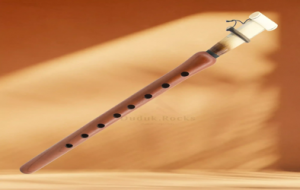
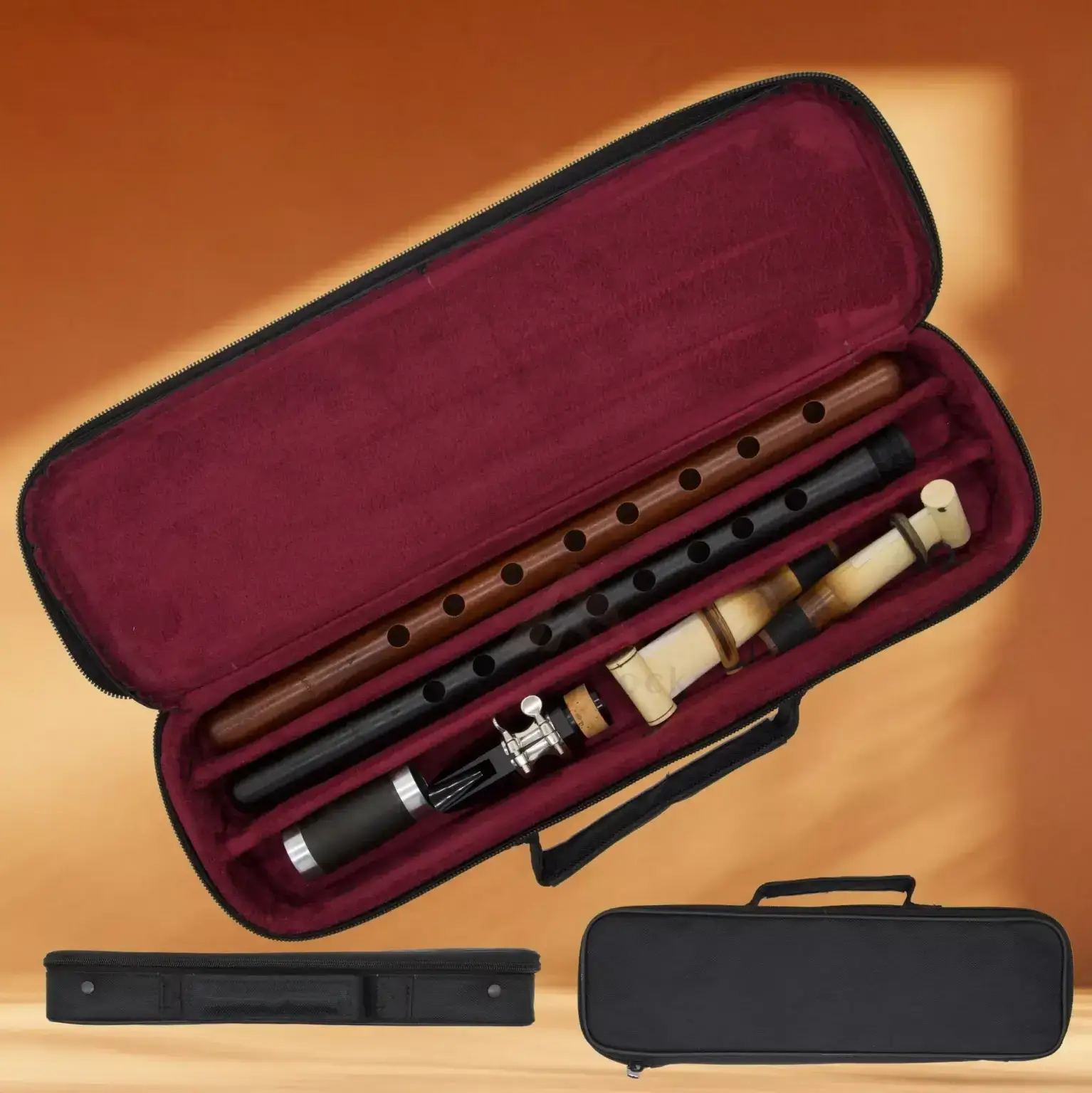
A duduk usually measures between 28 and 40 centimeters and contains eight finger holes on the front and one thumb hole on the back. These holes allow the musician to produce different notes and melodies.
However, the most distinctive element of the duduk is its large double reed, called the “ghamish.” This reed is significantly wider than the reeds used in many other woodwind instruments, which helps produce the instrument’s deep, breathy tone.
The result is a sound that many listeners describe as almost vocal, as if the instrument itself were singing.
Why the Duduk Sound is so Unique
One of the first things people notice when hearing the duduk musical instrument is how human its sound feels.
Unlike many wind instruments that produce bright or piercing tones, the duduk produces a soft, warm, and emotional sound. It often carries a subtle melancholy that makes it particularly powerful for storytelling through music.
From my own observation studying traditional instruments, the duduk is one of the rare instruments where the player’s breath becomes part of the emotional texture of the sound. The slight airiness in the tone adds a natural quality that makes the instrument feel alive.
This expressive sound is one reason why the duduk has become so popular in cinematic music.
Many film composers use it when they want to evoke deep emotion, nostalgia, or a sense of ancient culture. When played slowly and with precision, the duduk can communicate feelings that words often cannot.
For many listeners, hearing the duduk for the first time feels almost like discovering a new voice in music.
The Cultural Importance of the Duduk
The duduk musical instrument is deeply connected to Armenian history and identity.
For centuries, it has been played at important moments of life such as weddings, celebrations, and cultural ceremonies. The instrument is not just a musical tool; it is part of a cultural tradition passed down from generation to generation.
In fact, the duduk and its music were recognized by UNESCO as part of the Intangible Cultural Heritage of Humanity, highlighting its importance in preserving Armenian culture.
Traditional duduk music often features two musicians:
- One musician plays the melody
• The other plays a sustained drone note
This technique creates a rich, layered sound that enhances the emotional depth of the music.
Through these traditions, the duduk has maintained its authenticity for centuries while still evolving with modern music.
My First Impression of the Duduk Sound
One of the most interesting things about discovering the duduk is how surprising its sound can be.
When many people hear the duduk for the first time, they assume it is a modern instrument created for film soundtracks. The sound feels cinematic, atmospheric, and incredibly expressive.
But the reality is quite different.
The duduk has existed for over a millennium, long before modern recording technology or film music existed.
What fascinates me most about the instrument is how timeless its sound feels. Even when used in modern compositions, the duduk carries a sense of ancient tradition.
This balance between tradition and modernity is part of what makes the duduk musical instrument so remarkable.
How Difficult Is It to Learn the Duduk?
One of the most common questions people ask about the duduk musical instrument is whether it is difficult to learn. The honest answer is that it can be challenging for beginners, especially compared to instruments like the recorder or simple flutes.
The main difficulty comes from the large double reed, which requires precise breath control. Producing a clean tone can take time and practice. However, once a player becomes comfortable with the breathing technique, the duduk becomes an incredibly expressive instrument.
Because the fingerings are relatively simple, many musicians find that the challenge lies more in mastering the sound and emotional expression rather than learning complex technical patterns. In many ways, playing the duduk is as much about feeling the music as it is about technical skill.
To support you on this journey, we offer personalized live online courses specifically designed for beginners, ensuring you are never left to struggle on your own. Furthermore, we provide access to the largest Duduk tutorial database on YouTube, where every exercise and melody from the “Armenian Duduk Method” textbook is demonstrated in detail to guide your practice.
How Much does a Duduk Cost?
Another frequent question people have about the duduk musical instrument is its price.
The cost of a duduk depends on several factors, including craftsmanship, materials, and the maker.
Typical price ranges include:
Souvenier duduk (not recommended for musical purpose)
Approximately €80 – $150
Beginner duduk
Approximately €150 – $300
Professional handcrafted duduk
Approximately €300 – $400 or more
Authentic Armenian duduks made from high-quality apricot wood are generally more expensive but offer superior sound and durability.
Even if you are just starting out, we strongly recommend purchasing a professional Duduk from the very beginning.
Duduk in Modern Music and Film
While the duduk is an ancient instrument, its influence has expanded dramatically in modern music.
Today, the duduk musical instrument is frequently used in:
- Film soundtracks
• Ambient music
• World music projects
• Video game music
• Documentary scores
Composers use the duduk when they want to create a sense of emotional depth, nostalgia, or cultural atmosphere.
Because its sound is so distinctive, even a few notes of duduk can transform the entire mood of a musical composition.
This growing popularity has helped introduce the instrument to audiences far beyond Armenia.
Why the Duduk is Still Relevant Today
In a world where music production is increasingly digital, the duduk offers something rare: authentic human expression.
Its sound cannot easily be replicated by software or synthesizers. The subtle variations in breath, tone, and emotion make every performance unique.
From my perspective, this is one of the reasons the duduk musical instrument continues to attract attention today.
Musicians are constantly searching for sounds that feel real and meaningful, and the duduk delivers exactly that.
It connects modern listeners with a musical tradition that is centuries old while still fitting naturally into contemporary compositions.
Few instruments manage to bridge that gap as beautifully as the duduk.
Frequently Asked Questions About the Duduk Musical Instrument
What is the duduk musical instrument made of?
The duduk is traditionally made from apricot wood, which contributes to its warm and resonant sound.
Is the duduk difficult to learn?
It can be challenging at first due to the breathing technique required for the reed, but with practice it becomes a highly expressive instrument.
How old is the duduk?
The duduk has existed for more than 1,500 years, making it one of the oldest continuously played instruments.
Why does the duduk sound so emotional?
The large double reed and breath-based playing technique produce a warm, slightly airy tone that resembles the human voice.
Is the duduk only used in Armenian music?
No. While it originates from Armenia, it is now used in film scores, world music, and modern compositions worldwide.
Can beginners play the duduk?
Yes. Many beginners start learning the instrument, especially musicians who already have experience with wind instruments.
Final Thoughts
The duduk musical instrument is far more than a simple woodwind instrument. It represents centuries of musical tradition, cultural identity, and emotional storytelling.
From its ancient origins in Armenia to its growing presence in modern music and film, the duduk continues to prove that traditional instruments still have a powerful place in today’s musical landscape.
For anyone interested in discovering new sounds, exploring world music, or experiencing one of the most expressive instruments ever created, the duduk offers an unforgettable musical journey.
Its voice may be ancient, but its emotional power is timeless.