Duduk: Das jahrtausende alte armenische Instrument mit einer zeitlosen, menschlichen Stimme

Einleitung
Die duduk ist kein Instrument, das Aufmerksamkeit durch Lautstärke oder Virtuosität erzwingt. Seine Kraft liegt in der Stille, im Atem und in der Emotion. Sein Klang wirkt intim, verletzlich und zugleich tief verwurzelt in der menschlichen Erfahrung.
Seit Jahrhunderten begleitet die Duduk das armenische Leben – und heute findet man seine Stimme in Filmkompositionen, moderner Ambient-Musik und emotionalen Klanglandschaften auf der ganzen Welt. In einer Zeit digitaler Perfektion erinnert die Duduk an etwas Ursprüngliches: an Zeit, Atem und Gefühl.
Dieser Artikel beleuchtet die Duduk umfassend: seine Herkunft, seine Bauweise, seinen einzigartigen Klang und warum dieses Instrument heute relevanter ist denn je.
Was ist eine Duduk?
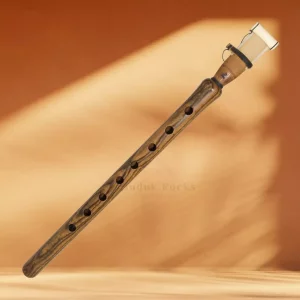
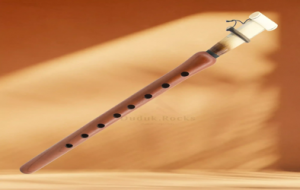
Die Duduk ist ein traditionelles armenisches Holzblasinstrument mit Doppelrohrblatt. Es wird klassisch aus sieben bis zehn Jahre gelagertem Aprikosenholz gefertigt und besitzt ein breites, flaches Rohrblatt, das für seine warme und langsame Klangentwicklung verantwortlich ist.
Im Gegensatz zu vielen westlichen Blasinstrumenten steht bei der Duduk nicht Lautstärke oder technische Schnelligkeit im Vordergrund, sondern Ausdruck und Emotion. Sein Klang wird häufig mit der menschlichen Stimme verglichen – weich, atmend und voller Nuancen.
Die Duduk zwingt zur Entschleunigung. Es verlangt Aufmerksamkeit, Kontrolle und Präsenz.
Die jahrtausendealten Ursprünge der Duduk
Die Geschichte der Duduks reicht über tausend Jahre zurück und ist untrennbar mit der armenischen Kultur verbunden.
Historisch wurde es gespielt bei:
- Volksliedern und Tänzen
- Hochzeiten und Festen
- Beerdigungen und Trauerzeremonien
- Erzählerischen und poetischen Darbietungen
In Armenien ist Musik kein bloßes Kunstprodukt, sondern Teil des Alltags und der Identität. Die Duduk diente stets dazu, Emotionen auszudrücken, die Worte nicht fassen konnten.
Aufgrund seiner kulturellen Bedeutung wurde die Duduk-Musik von der UNESCO als Immaterielles Kulturerbe der Menschheit anerkannt.
Warum klingt der Duduk so emotional?
Viele Menschen empfinden den Klang der Duduk als traurig, nostalgisch oder zutiefst berührend.
Das ist kein Zufall.
1. Das Rohrblatt
Das breite, flache Rohrblatt der Duduk schwingt langsamer als bei Instrumenten wie der Oboe. Diese langsame Vibration erzeugt einen warmen, runden Klang ohne Schärfe.
2. Tiefe Tonlage
Die Duduk ist meist tiefer gestimmt als viele westliche Blasinstrumente. Tiefe Frequenzen werden vom Menschen instinktiv mit Ruhe, Schwere und Emotionalität verbunden.
Die meisten Duduks sind auf A = 440 Hz gestimmt, dem Standard, der von den meisten westlichen Blasinstrumenten verwendet wird. Sowohl 440 Hz- als auch 432 Hz-Varianten sind erhältlich, jedoch überwiegt 440 Hz aus Gründen der Kompatibilität. Niedrigere Frequenzen — sei es durch eine 432-Hz-Stimmung oder tiefere Duduk-Varianten — vermitteln auf natürliche Weise Ruhe, Introspektion und Tiefe – Emotionen, die eng mit der eindringlichen Klangfarbe der Duduk verbunden sind.
3. Atemgesteuerter Klang
Schon kleinste Veränderungen im Atemdruck verändern Klangfarbe und Lautstärke. Dadurch entsteht eine direkte Verbindung zwischen Spieler und Instrument.
4. Die Bedeutung der Stille
Die Duduk lässt Raum zwischen den Tönen. Diese Pausen sind kein Mangel – sie tragen Spannung, Erinnerung und Bedeutung.
Der Duduk als kulturelles Symbol Armeniens
Für Armenier ist die Duduk mehr als ein Instrument – es ist ein Symbol für:
- Heimat und Landschaft
- Kollektives Gedächtnis
- Verlust und Widerstandskraft
- Spirituelle Reflexion
Traditionell war der Duduk-Spieler nicht nur Musiker, sondern emotionaler Erzähler. Seine Aufgabe war es, Gefühle hörbar zu machen, nicht Unterhaltung zu liefern.
Bis heute ist die Duduk eng mit der armenischen Identität verbunden – auch in der weltweiten Diaspora.
Die Duduk in moderner Musik und im Film
Trotz seiner tiefen Verwurzelung in der Tradition hat die Duduk seinen Weg in die moderne Musik gefunden. Besonders Komponisten und Sounddesigner schätzen ihn wegen seiner emotionalen Authentizität.
Die Duduk wird heute eingesetzt in:
- Film- und Fernseh-Soundtracks
- Videospielmusik
- Ambient- und Cinematic-Musik
- Meditations- und Sound-Healing-Projekten
- World- und Fusion-Musik
Im filmischen Kontext wird die Duduk häufig eingesetzt, um Folgendes darzustellen:
- Erinnerung und Nostalgie
- Weite Landschaften
- Innere Konflikte
- Verlust, Reflexion oder Transformation
Ihr Klang vermittelt Emotionen unmittelbar – ganz ohne Sprache oder erklärende Worte.
Duduk im Vergleich zu anderen traditionellen Blasinstrumenten
Im Vergleich zu Instrumenten wie Oboe, Schalmei oder Zurna verfolgt die Duduk eine völlig andere Philosophie.
Während viele Instrumente auf:
- Durchsetzungskraft
- Helligkeit
- Rhythmische Energie
setzen, steht bei der Duduk im Fokus:
- Wärme
- Intimität
- Emotionale Tiefe
Es drängt sich nicht auf, sondern fügt sich harmonisch in reduzierte Arrangements ein – ideal für moderne, atmosphärische Musik.
Duduk lernen – was man wissen sollte
Die Duduk gilt oft als entweder sehr leicht oder extrem schwierig. In Wahrheit verlangt er vor allem Geduld.
Herausforderungen
- Atemkontrolle ist essenziell
- Kontrolle von Dynamik und Tonerzeugung
- Intonation erfordert ein feines Gehör und Sensibilität
- Das Rohrblatt muss korrekt eingestellt sein
Vorteile für Einsteiger
- Einfache Griffweise
- Keine komplexe Mechanik
- Langsame Tempi erleichtern den Einstieg
Der Fortschritt misst sich nicht an Geschwindigkeit, sondern an Klangqualität.
Handwerk und Materialien
Eine hochwertige Duduk wird traditionell aus sorgfältig gereiftem Aprikosenholz gefertigt. Der Reifungsprozess ist entscheidend, da er das Holz stabilisiert und die Resonanz verbessert.
Jede Duduk wird von Hand geformt, gebohrt und veredelt. Kleine Abweichungen sind keine Mängel – sie tragen zur Individualität und zum Charakter des Instruments bei.
Industriell gefertigte Duduks fehlt oft diese klangliche Tiefe, was zu einer instabilen Stimmung und einem weniger ausdrucksstarken Ton führt.
Warum die Duduk heute wichtiger ist denn je
In einer Welt voller digitaler Klänge und perfektionierter Software-Instrumente bietet die Duduk
It requires:
- Echtheit
- Zeit
- Atem
- Menschlichkeit
Die Duduk lässt sich weder beschleunigen noch automatisieren. Jeder Ton spiegelt den inneren Zustand des Spielers in genau diesem Moment wider. Gerade diese Ehrlichkeit ist der Grund, warum Musiker und Zuhörer sich immer wieder von ihr angezogen fühlen.
Die Duduk erinnert uns daran, dass Musik weder laut noch komplex sein muss, um kraftvoll zu wirken.
Die Duduk heute
Bei Duduk.Rocks wird die Duduk mit Respekt vor der Tradition und Blick auf moderne musikalische Anforderungen betrachtet. Es bleibt eine Brücke zwischen Vergangenheit und Gegenwart.
Für Musiker, die Tiefe statt Effekte suchen, ist der Duduk eine zeitlose Stimme.
Authentische Duduk-Hersteller und professionelle Duduks aus Armenien
Echte professionelle armenische Duduks stammen nahezu ausschließlich aus Armenien und werden dort von den besten Duduk-Herstellern wie Sevada Iritsyan, Karen Mukayelyan oder Sahak Gasparyan in aufwendiger Handarbeit gefertigt. Diese Meister verfügen über jahrzehntelange Erfahrung im Bau traditioneller Duduks aus Aprikosenholz und arbeiten eng mit international bekannten Duduk-Spielern zusammen, um höchste klangliche Qualität und Authentizität zu gewährleisten.
Duduk.Rocks ist der weltweit größte Anbieter für professionelle Duduks und Duduk-Zubehör und bietet Ihnen eine einzigartige Auswahl originaler Instrumente direkt von renommierten armenischen Herstellern. Als in Deutschland ansässiger Fachhändler profitieren Sie von kurzen Lieferzeiten, günstigem Versand und zollfreier Lieferung innerhalb der EU. Wenn Sie eine hochwertige armenische Duduk kaufen möchten, finden Sie bei Duduk.Rocks geprüfte Instrumente für Einsteiger, Fortgeschrittene und professionelle Musiker.
Beim Online-Kauf einer hochwertigen armenischen Duduk sollten seriöse Händler eine persönliche Videoberatung vor dem Kauf anbieten und Ihnen vor dem Versand genau das für Sie ausgewählte Instrument sowie insbesondere das Mundstück live oder per Video vorführen. Diese Transparenz stellt sicher, dass Klang, Stimmung und Spielbarkeit exakt Ihren individuellen Anforderungen entsprechen. Ob Einsteiger, Fortgeschrittener oder professioneller Musiker – bei Duduk.Rocks finden Sie sorgfältig ausgewählte Instrumente auf höchstem Niveau.
Warnung vor: „Professionelle“ armenische Duduks auf eBay, Etsy & Amazon – Was du wissen musst
Du möchtest eine Duduk kaufen und suchst nach einem professionellen Instrument? Sei vorsichtig bei der Suche auf großen Online-Marktplätzen! Unsere Erfahrung zeigt, dass etwa 95 % der Angebote auf eBay, Etsy und Amazon, die als „Professionelle Armenische Duduks“ beworben werden, keine tatsächlichen Profi-Standards erfüllen.
These instruments are often priced between €40 and €190 ($45 – $200). While the price is tempting, it often leads to a costly disappointment for the player.
Warum Billigangebote meist ein Fehlkauf sind
Leider handelt es sich bei den meisten dieser Modelle um industrielle Massenware aus der Türkei oder Stücke in Souvenirqualität aus Armenien – weit entfernt von authentischer armenischer Handwerkskunst.
Die typischen Probleme im Überblick:
- Minderwertiges Holz: Es wird oft billiges, unzureichend gelagertes Holz verwendet. Die Folge: Das Instrument bekommt schnell Risse oder verzieht sich kurz nach dem Kauf.
- Instabile Stimmung: Eine präzise Intonation ist fast unmöglich, was das Zusammenspiel mit anderen Instrumenten oder Aufnahmen extrem erschwert.
- Minderwertige Rohrblätter (Ghamish): Das Rohrblatt ist das Herz der Duduk. Billigangebote enthalten oft Blätter, die so schlecht verarbeitet sind, dass selbst erfahrene Spieler kaum einen vernünftigen Ton erzeugen können.
- Gesundheitsrisiken: Viele dieser Duduks sind mit billigen Lacken oder Lasuren überzogen, die bei Speichelkontakt während des Spielens giftig sein können.
Experten-Einblick: Die Reddit-Community und erfahrene Duduk-Spieler sind sich einig: Modelle unter 100–150 € sind in der Regel unspielbar und dienen lediglich als Dekoration.
Was kostet eine echte Profi-Duduk?
Ein authentisches, von Meisterhand gefertigtes Instrument – einschließlich eines gut eingestellten Mundstücks – ist eine echte Investition in deinen Klang. Echte Profi-Duduks von renommierten Meistern wie Sevada, MKS Mukayelyan oder Sahak liegen preislich meist im Bereich von 300 € bis 400 € und aufwärts.
Vorteile beim Kauf bei spezialisierten Fachhändlern: Wenn du bei Experten wie Duduk.Rocks kaufst, erwirbst du nicht nur ein Instrument, sondern erhältst zusätzlich:
- Spezialisierten Support und fachkundigen Service vor UND nach dem Kauf.
- Eine gültige Garantie.
- Eine ordnungsgemäße Rechnung.
Fazit: Wer billig kauft, kauft zweimal
Gehe keine Kompromisse bei der Qualität ein. Die Duduk ist ein hochsensibles Holzblasinstrument. Nur mit einem fachgerecht eingestellten Rohrblatt und korrekt gelagertem Aprikosenholz lassen sich jene melancholischen, gefühlvollen Klänge erzeugen, für die das Instrument weltberühmt ist.
FAQ – Duduk Instrument
Aus welchem Land stammt die Duduk?
Die Duduk stammt aus Armenien und ist dort seit über tausend Jahren Teil der Kultur.
Warum klingt die Duduk so melancholisch?
Durch seine tiefe Tonlage, das breite Rohrblatt, den atemgesteuerten Klang und die bewusste Nutzung von Stille wirkt die Duduk besonders emotional.
Ist die Duduk schwer zu erlernen?
Die Duduk ist zugänglich, erfordert jedoch Geduld und Atemkontrolle. Technische Geschwindigkeit spielt eine untergeordnete Rolle.
Aus welchem Holz wird die Duduk gefertigt?
Traditionally, the duduk is made from apricot wood, which provides warmth, resonance, and tonal stability when properly aged.
Bei Duduk.Rocks finden Sie die weltweit größte Auswahl an armenischen Duduks, handgefertigt aus den feinsten Klanghölzern der Welt. Traditionell wird der Duduk aus Aprikosenholz hergestellt, das für seinen warmen, resonanzreichen Klang und seine außergewöhnliche Tonstabilität bekannt ist – vorausgesetzt, das Holz wurde sorgfältig getrocknet und über viele Jahre gereift.
Wird die Duduk heute noch verwendet?
Ja. Er ist fester Bestandteil moderner Film-, Game- und Ambient-Musik.
Woran erkennt man eine hochwertige Duduk?
An gut gereiftem Holz, sauberer Verarbeitung, passendem Rohrblatt und stabiler Intonation. Handgefertigte Duduks sind meist deutlich überlegen.