Best Music Styles to Play on Duduk: From Traditional to Cinematic
The duduk is often associated with deep emotion, slow melodies, and traditional Armenian music. However, limiting it to a single style would be inaccurate. Over time, the duduk has proven to be a highly adaptable instrument, capable of fitting into multiple musical genres—from ancient folk traditions to modern cinematic compositions.
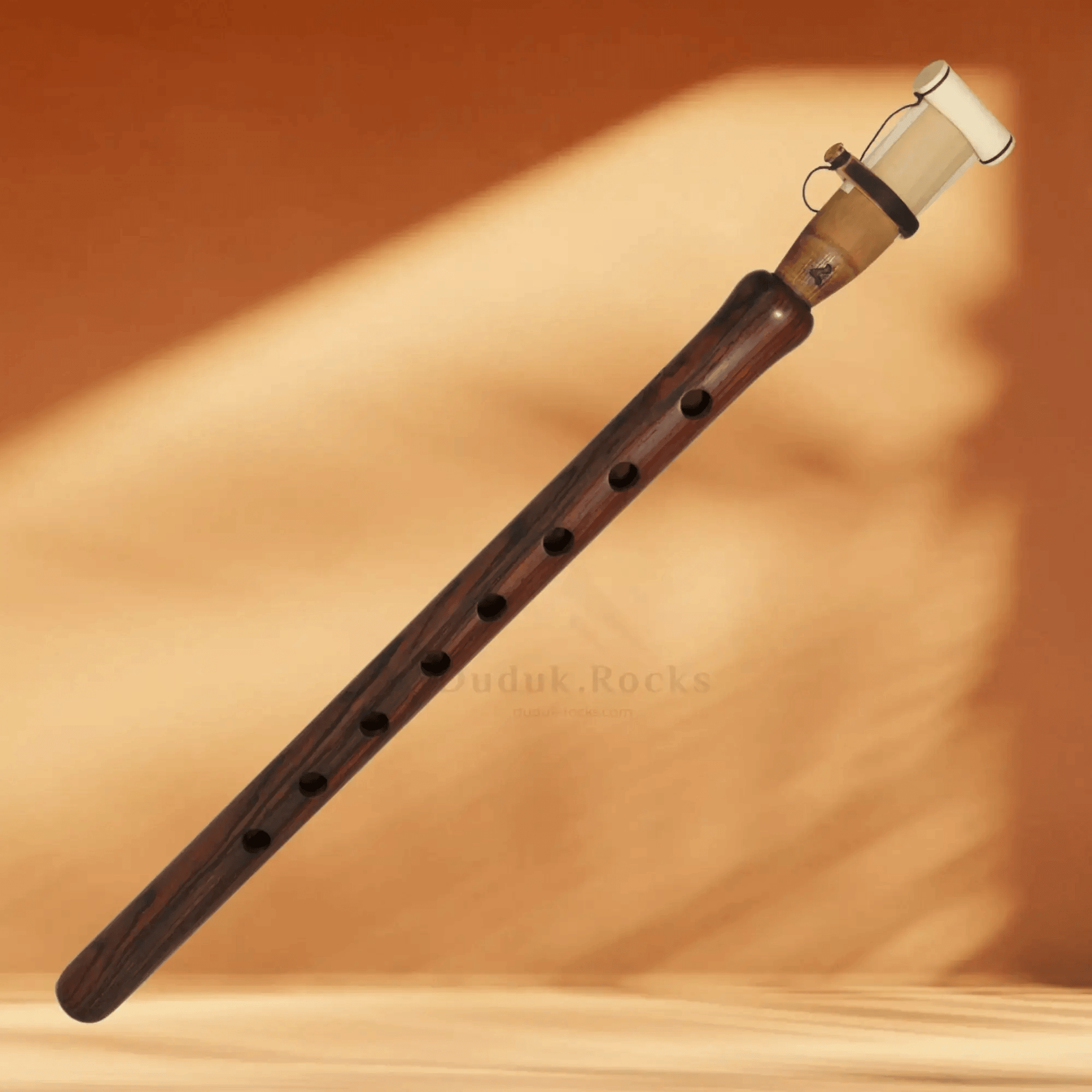
Its unique sound comes from a combination of physical and acoustic factors:
- A wide double reed allowing expressive airflow
- A cylindrical bore producing a stable, warm tone
- Apricot wood contributing to a soft and damped resonance
These characteristics make the duduk particularly suitable for styles that require emotional depth, tonal control, and fluid phrasing.
This article presents the most relevant and historically grounded music styles where the duduk is used, based on documented practices and modern musical evolution.
Die armenische Duduk entdecken https://duduk-rocks.com/
Weitere Artikel im Blog lesen https://duduk-rocks.com/blog/
1. Traditional Armenian Music: The Original Context
The primary and most authentic context of the duduk is traditional Armenian music.
According to UNESCO, the duduk is:
- Used in social ceremonies, including weddings and commemorations
- Central to folk songs and narrative melodies
- A key element of Armenian cultural identity
Characteristics:
- Modal scales (often non-Western)
- Slow, ornamented melodies
- Strong emotional expression
The duduk often plays alongside a second duduk drone, creating a continuous harmonic base.
👉 This remains the most historically accurate and culturally rooted style for the instrument.
2. Folk Songs and Dance Music
Beyond slow melodies, the duduk is also used in folk dances and rhythmic compositions.
Musical features:
- Moderate to fast tempo
- Repetitive melodic patterns
- Structured phrasing for dance
Although the duduk is not primarily a rhythmic instrument, it adapts to these contexts by emphasizing:
- articulation
- phrasing
- breath-driven accents
👉 This style demonstrates that the duduk is not limited to slow, melancholic music.
3. Sacred and Spiritual Music
The duduk is frequently used in meditative and spiritual contexts, particularly due to its tonal similarity to the human voice.
Why it fits this style:
- Continuous airflow creates a “chant-like” effect
- Soft dynamics support introspection
- Stable pitch allows sustained tones
This aligns with broader principles in acoustic perception:
- Slow tempos and stable frequencies promote calm and emotional focus
- Reduced harmonic brightness creates a non-aggressive listening experience
👉 This makes the duduk suitable for:
- spiritual compositions
- meditation music
- ambient religious settings
4. Funeral and Memorial Music
One of the most historically documented uses of the duduk is in mourning and memorial contexts.
According to UNESCO:
- The duduk is traditionally played during funerals and remembrance ceremonies
- It conveys grief, reflection, and emotional depth
Musical characteristics:
- Slow tempo
- Minor tonalities or modal equivalents
- Extended phrasing with expressive vibrato
👉 This context strongly influenced the global perception of the duduk as a “sad” instrument, although this is only one aspect of its use.
5. World Music and Fusion
In modern music, the duduk has become part of world music and cross-cultural fusion projects.
Why it works:
- Its tone blends well with strings, piano, and electronic textures
- It can adapt to non-Armenian scales with proper technique
- Its expressive nature complements global music styles
Common integrations:
- Middle Eastern music
- European folk fusion
- global acoustic collaborations
👉 This style expands the duduk’s reach while maintaining its core identity.
6. Jazz and Experimental Music
Although less common, the duduk is sometimes used in experimental and jazz contexts.
Technical challenges:
- Limited chromatic flexibility compared to Western instruments
- Requires adaptation for complex harmonic systems
However:
- Microtonal capability allows expressive improvisation
- Breath control enables unique phrasing styles
👉 In experimental settings, the duduk is valued for:
- texture
- timbre
- emotional color rather than harmonic complexity
7. Cinematic and Film Music
The duduk has gained international recognition through its use in film scores.
It is frequently used to:
- evoke ancient or historical atmospheres
- create emotional depth in dramatic scenes
- represent themes of memory, loss, or identity
Why composers use the duduk:
- Its sound is immediately recognizable
- It conveys emotion without requiring complex arrangements
- It blends well with orchestral textures
Documented usage:
The duduk has been featured in major film soundtracks, often associated with historical or epic narratives.
👉 This has made it one of the most recognizable traditional instruments in global cinema.
8. Ambient and Relaxation Music
The duduk is increasingly used in ambient and relaxation music, especially in digital and streaming environments.
Acoustic suitability:
- Smooth sound envelope
- Low-frequency emphasis
- Absence of harsh overtones
These features align with research in psychoacoustics:
- Sounds with soft dynamics and stable tones promote relaxation and focus
👉 Common uses:
- meditation playlists
- sleep music
- background soundscapes
9. How to Choose the Right Style as a Player
Choosing a style depends on the player’s level and goals.
For beginners:
- Traditional Armenian melodies
- Slow tempo pieces
- Focus on breath control
For intermediate players:
- Folk dance music
- simple fusion styles
For advanced players:
- cinematic music
- improvisation
- cross-genre experimentation
👉 The key factor is mastering:
- airflow control
- tone stability
- expressive phrasing
Conclusion: A Bridge Between Tradition and Modern Expression
The duduk is not limited to one musical genre. While deeply rooted in Armenian tradition, it has evolved into a global instrument capable of adapting to multiple styles.
From:
- traditional ceremonies
to - film soundtracks and ambient music
the duduk continues to expand its role without losing its identity.
Its versatility is grounded in its acoustic design, making it suitable for any style that values emotion, depth, and expressive nuance.
FAQ – Duduk Music Styles
1. What is the most authentic style to play on duduk?
Traditional Armenian music remains the most authentic and historically grounded style.
2. Can the duduk be used in modern music?
Yes, especially in film scores, ambient music, and fusion genres.
3. Is the duduk only used for sad music?
No. It is also used in dance, celebrations, and rhythmic compositions.
4. Why is the duduk popular in film music?
Because its tone naturally conveys emotion and blends well with orchestral arrangements.
5. Can beginners play different styles right away?
It is recommended to start with traditional slow melodies before exploring other genres.
6. Does the style affect how the duduk is played?
Yes. Tempo, phrasing, and articulation vary depending on the musical context.