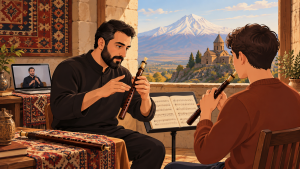
Sahak Gasparyan: Master of the Armenian Duduk and Guardian of a Timeless Tradition
The Armenian duduk is widely recognized for its deep, expressive sound—often described as one of the most emotional voices in traditional music. Among the musicians dedicated to preserving and elevating this instrument, Sahak Gasparyan stands out as a respected performer and educator whose work reflects both technical mastery and cultural commitment.
This article presents a clear and factual overview of his role in the world of duduk, focusing on his musicianship, contributions to tradition, and impact on the transmission of this heritage.
Die armenische Duduk entdecken https://duduk-rocks.com/
Weitere Artikel im Blog lesen https://duduk-rocks.com/blog/
1. The Duduk: A Cultural Instrument of Armenia
Before understanding the importance of Gasparyan’s work, it is essential to situate the duduk within its cultural context.
The duduk is:
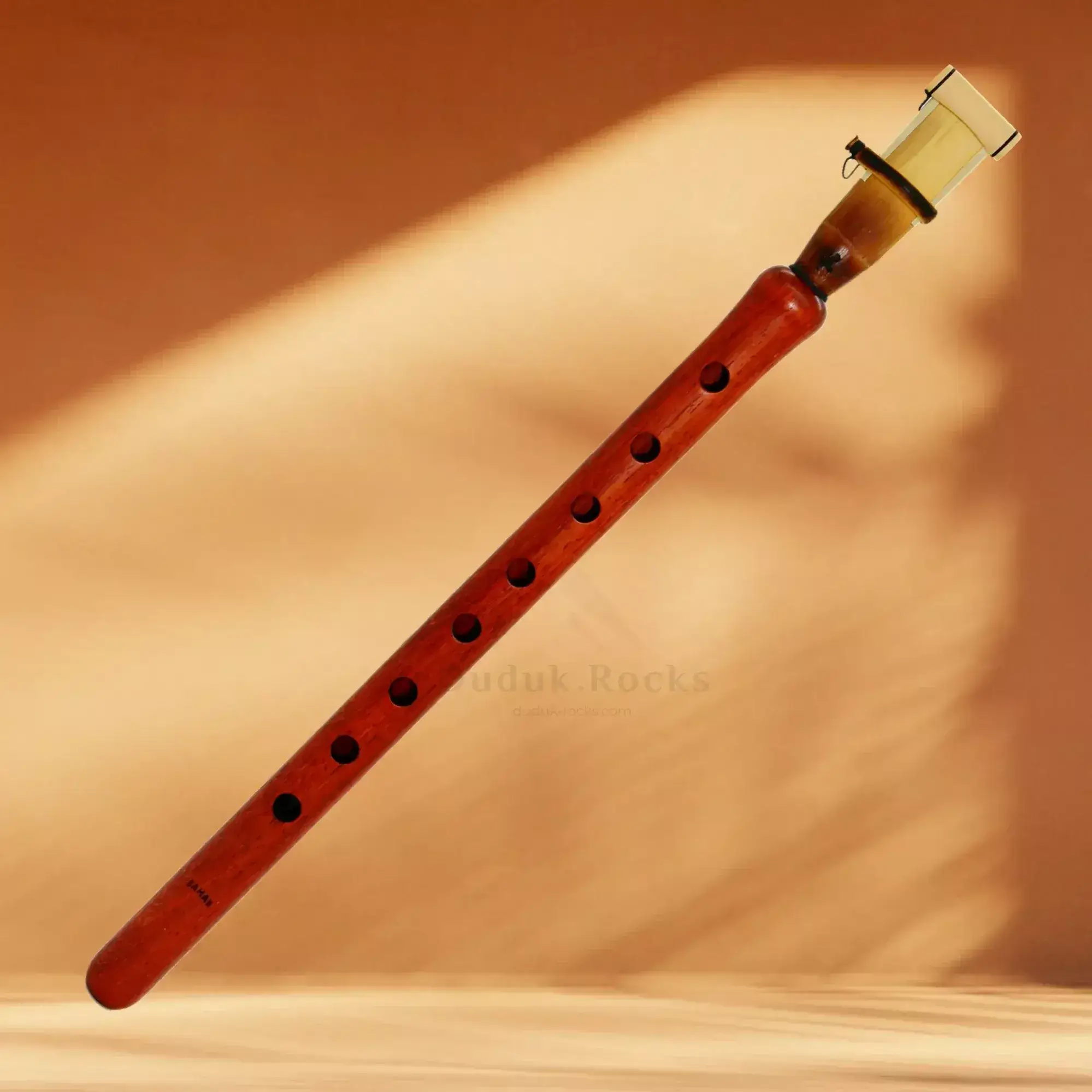
- A double-reed woodwind instrument traditionally made from apricot wood
- Central to Armenian musical identity
- Used in both folk traditions and contemporary compositions
In 2005, the duduk and its music were inscribed by UNESCO on the Representative List of the Intangible Cultural Heritage of Humanity, recognizing its cultural significance and the need for preservation.
This recognition highlights the importance of musicians who actively contribute to keeping the tradition alive.
2. Musical Approach and Technical Mastery
Sahak Gasparyan is known for a playing style that emphasizes:
- Controlled breath technique
- Stable intonation
- Expressive phrasing
The duduk requires advanced breath control due to its wide reed and resistance. Mastery of this technique allows the musician to sustain long, continuous tones and subtle dynamic variations.
His performances demonstrate:
- Consistency in tone production
- Clarity across registers
- Respect for traditional ornamentation
These elements are essential in maintaining the authenticity of duduk performance practice.
3. Role as a Cultural Transmitter
Beyond performance, Gasparyan contributes to the transmission of knowledge associated with the duduk.
This includes:
- Teaching students the fundamentals of the instrument
- Preserving traditional repertoire
- Maintaining stylistic integrity
The transmission of duduk music is largely oral, meaning that techniques and interpretations are passed directly from teacher to student. This makes the role of experienced musicians particularly important in ensuring continuity.
4. Contribution to Modern Exposure of the Duduk
The duduk has expanded beyond its traditional context and is now present in:
- Film soundtracks
- International performances
- Cross-cultural collaborations
Musicians like Sahak Gasparyan participate in this evolution by adapting the instrument to new contexts while preserving its original identity.
This balance between tradition and adaptation is critical:
- Too much modification risks losing authenticity
- Too little openness limits the instrument’s reach
His work reflects a controlled integration of both aspects.
5. Challenges in Preserving the Duduk Tradition
The preservation of duduk music faces several real challenges:
- Decline in traditional apprenticeship models
- Globalization of music styles
- Variation in instrument quality
Maintaining high standards requires:
- Skilled teachers
- Access to well-crafted instruments
- Continued interest from new generations
Musicians dedicated to the tradition play a key role in addressing these challenges.
6. The Importance of Authenticity in Duduk Performance
Authenticity in duduk performance is defined by several factors:
- Respect for traditional scales and modes
- Proper use of ornamentation
- Control of vibrato and dynamics
Sahak Gasparyan’s approach aligns with these principles, contributing to the preservation of stylistic accuracy.
It is important to note that variations exist between players and regions, but core techniques remain consistent within the tradition.
Conclusion: A Measured Contribution to a Living Tradition
Sahak Gasparyan represents a category of musicians whose role extends beyond performance. Through technical discipline, teaching, and respect for tradition, his work contributes to the continuity of the Armenian duduk.
The preservation of such an instrument depends not only on recognition but on consistent, high-quality practice and transmission. In this context, dedicated musicians remain essential to maintaining the integrity of this cultural heritage.
FAQ – Duduk and Musical Tradition
1. What makes the duduk unique compared to other woodwinds?
Its large reed and apricot wood body produce a warm, deep tone that differs significantly from instruments like the clarinet or oboe.
2. Why is breath control important in duduk playing?
The instrument requires sustained airflow to maintain stable sound and dynamic control.
3. Is duduk music written or transmitted orally?
Traditionally, it is transmitted orally, though modern notation is sometimes used.
4. What challenges affect the preservation of the duduk?
Globalization, reduced traditional training, and variations in instrument quality.
5. Can the duduk be used in modern music?
Yes, it is increasingly used in film and contemporary compositions.
6. Is learning the duduk difficult?
It requires time and practice, particularly for breath control and tone production.