Armenian Duduk: From Ancient Tradition to Modern Global Recognition
The Armenian duduk is often introduced as one of the world’s most expressive wind instruments. Its warm tone, distinctive construction, and deep connection to Armenian culture have earned it recognition far beyond its homeland. Yet understanding the Armenian duduk requires more than simply learning how it sounds or how it is made.
The story of the duduk is also the story of cultural continuity, artistic preservation, and international recognition. For centuries, musicians, instrument makers, and communities have helped preserve a musical tradition that remains vibrant today.
If you are new to the instrument, you may first want to explore our guides on the history of the Armenian duduk and the art of Armenian duduk craftsmanship, which explain the instrument’s origins and construction in greater detail.
In this article, we explore how the Armenian duduk has survived through generations, achieved global recognition, and continues to inspire musicians around the world.
👉 Discover the Armenian Duduk: https://duduk-rocks.com/
👉 Explore more articles: https://duduk-rocks.com/blog/
How the Armenian Duduk Survived Through Centuries
Many traditional musical instruments disappear over time as musical tastes change and societies modernize. The Armenian duduk followed a different path.
One of the primary reasons for its survival is the way knowledge has traditionally been transmitted.
For generations:
- Musicians taught students directly
- Families passed musical traditions to younger generations
- Communities preserved local repertoires
- Instrument makers continued traditional production methods
Unlike instruments that depended solely on written music, the duduk developed through a combination of oral tradition and practical teaching.
This direct transmission allowed not only melodies to survive but also:
- Playing techniques
- Ornamentation styles
- Breath control methods
- Musical interpretation
As a result, the instrument maintained a strong connection to its historical roots even as the world around it evolved.
More Than an Instrument: A Symbol of Cultural Identity
The Armenian duduk occupies a unique place within Armenian culture.
For many people, it represents more than music. It is closely associated with:
- Heritage
- Memory
- Community
- Identity
Throughout history, the duduk has accompanied many important moments of life.
It has traditionally been heard during:
- Weddings
- Family celebrations
- Cultural gatherings
- Memorial ceremonies
- Community events
Its presence in these settings has strengthened its role as a cultural symbol.
While many instruments are appreciated primarily for their musical capabilities, the duduk is often valued equally for what it represents.
Its sound has become deeply connected to the cultural memory of generations.
The Emotional Language of the Duduk
One reason the Armenian duduk has remained relevant for so long is its remarkable ability to communicate emotion.
Listeners frequently describe its sound as:
- Warm
- Reflective
- Human
- Expressive
This perception is not accidental.
The instrument’s acoustic design contributes directly to its emotional character:
- A large double reed
- Apricot wood construction
- Smooth sound production
- Flexible pitch control
Together, these elements create a tone that many listeners find immediately moving.
If you would like to learn more about the acoustic principles involved, read our article:
Why the Duduk Sounds So Emotional: The Science Behind Its Unique Tone
Understanding these characteristics helps explain why the instrument continues to resonate with audiences across cultures.
UNESCO Recognition and International Awareness
One of the most significant moments in the modern history of the duduk occurred when UNESCO recognized the cultural importance of the instrument and its musical tradition.
This recognition highlighted:
- The cultural value of the duduk
- The importance of preserving traditional knowledge
- The role of music in maintaining cultural heritage
The recognition also introduced the instrument to many people who had never previously encountered it.
As awareness increased, so did interest in:
- Learning the instrument
- Studying its history
- Exploring its musical possibilities
This international attention helped ensure that the tradition would continue reaching new audiences.
The Armenian Duduk Beyond Armenia
Today, the Armenian duduk is no longer limited to a single geographic region.
The instrument can be found in:
- Music schools
- Cultural organizations
- Concert halls
- Recording studios
- Online educational platforms
Musicians from many countries have become interested in the duduk because of its distinctive sound and expressive capabilities.
This growing international community has helped expand the instrument’s influence while encouraging new generations of players.
Importantly, this global interest has not diminished the instrument’s Armenian identity. Instead, it has allowed more people to appreciate the cultural traditions from which it emerged.
The Duduk in Contemporary Music
Although deeply rooted in tradition, the Armenian duduk has adapted successfully to modern musical environments.
Today it appears in:
- Film soundtracks
- World music projects
- Contemporary compositions
- Ambient music
- Cross-cultural collaborations
Its ability to blend with both traditional and modern instruments has contributed to its growing popularity.
Composers frequently choose the duduk because it can create:
- Emotional depth
- Atmospheric textures
- A sense of timelessness
This versatility has allowed the instrument to evolve without losing its traditional character.
Why Musicians Continue to Choose the Armenian Duduk
Despite the availability of countless modern instruments, musicians continue to be drawn to the duduk.
Several factors explain this enduring appeal.
Authenticity
The duduk offers a sound unlike any other instrument.
Simplicity
Its design remains remarkably simple, yet highly expressive.
Emotional Expression
Few instruments communicate subtle emotions as effectively.
Cultural Connection
Learning the duduk provides insight into a rich musical heritage.
These qualities continue to attract players ranging from beginners to experienced professionals.
The Role of Craftsmanship in Preserving Tradition
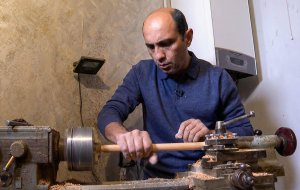
The future of the Armenian duduk depends not only on musicians but also on skilled craftsmen.
Traditional instrument makers continue to:
- Select appropriate wood
- Shape each instrument carefully
- Prepare and adjust reeds
- Maintain quality standards
This craftsmanship ensures that modern players can experience the instrument as previous generations did.
To better understand this process, explore our article:
From Tree to Instrument: The Full Journey of a Duduk from Apricot Wood to Music
The relationship between craftsmanship and musical performance remains one of the foundations of the duduk tradition.
Innovation and the Future of the Duduk
While preserving tradition remains essential, innovation also plays a role in the instrument’s future.
New developments include:
- Online education
- Digital learning resources
- International workshops
- Experimental musical collaborations
There are even modern instruments inspired by the duduk, such as the Duclar, which explores new possibilities by combining influences from the duduk and clarinet.
These developments demonstrate that the tradition continues to evolve while remaining connected to its roots.
Why the Armenian Duduk Matters Today
In an increasingly globalized world, cultural traditions face many challenges.
The Armenian duduk demonstrates how an instrument can remain relevant while preserving its historical identity.
It continues to serve as:
- A musical instrument
- A cultural symbol
- A teaching tradition
- A connection between generations
Its story shows that heritage and innovation do not have to be opposites.
Instead, they can work together to ensure that meaningful traditions continue to thrive.
Conclusion
The Armenian duduk has traveled a remarkable journey from local tradition to international recognition.
Its survival has been made possible by generations of musicians, teachers, craftsmen, and communities dedicated to preserving its unique voice.
Today, the instrument stands as both a symbol of Armenian culture and a source of inspiration for musicians around the world.
As new players discover its sound and new audiences embrace its music, the Armenian duduk continues to prove that authentic traditions can remain vibrant and relevant in the modern world.
Frequently Asked Questions
Why is the Armenian duduk culturally important?
The duduk is closely connected to Armenian cultural identity and has played an important role in community life for generations.
What makes the Armenian duduk unique?
Its apricot wood construction, large double reed, and expressive tonal qualities create a sound unlike any other wind instrument.
Why is the duduk associated with emotion?
Its acoustic design allows for smooth phrasing, subtle pitch variations, and a warm tonal character that many listeners perceive as deeply expressive.
Is the Armenian duduk still popular today?
Yes. It continues to be played in Armenia and has gained increasing international recognition among musicians and audiences worldwide.
Can people outside Armenia learn the duduk?
Absolutely. Online lessons, workshops, and educational resources have made the instrument more accessible than ever.
What does the future hold for the Armenian duduk?
The tradition continues to grow through education, craftsmanship, international interest, and innovative musical collaborations while remaining rooted in its cultural heritage.