Duduk Reed Explained: The Secret Behind the Instrument’s Emotional Sound
The Armenian duduk is recognized worldwide for its deep, warm, and emotional tone. Whether heard in traditional Armenian music or modern cinematic compositions, the instrument carries a sound that feels almost human. At the center of this unique voice is one essential element: the duduk reed.
Often called the ghamish in Armenian musical tradition, the duduk reed is far more than a simple accessory. It is the vibrating heart of the instrument and one of the main reasons the duduk produces such a soulful and expressive sound.
In this guide, we explore how the duduk reed is made, how it affects the instrument’s tone, and why mastering the reed is essential for every duduk player.
👉 Discover the Armenian Duduk: https://duduk-rocks.com/
👉 Explore more articles: https://duduk-rocks.com/blog/
What is a Duduk Reed?
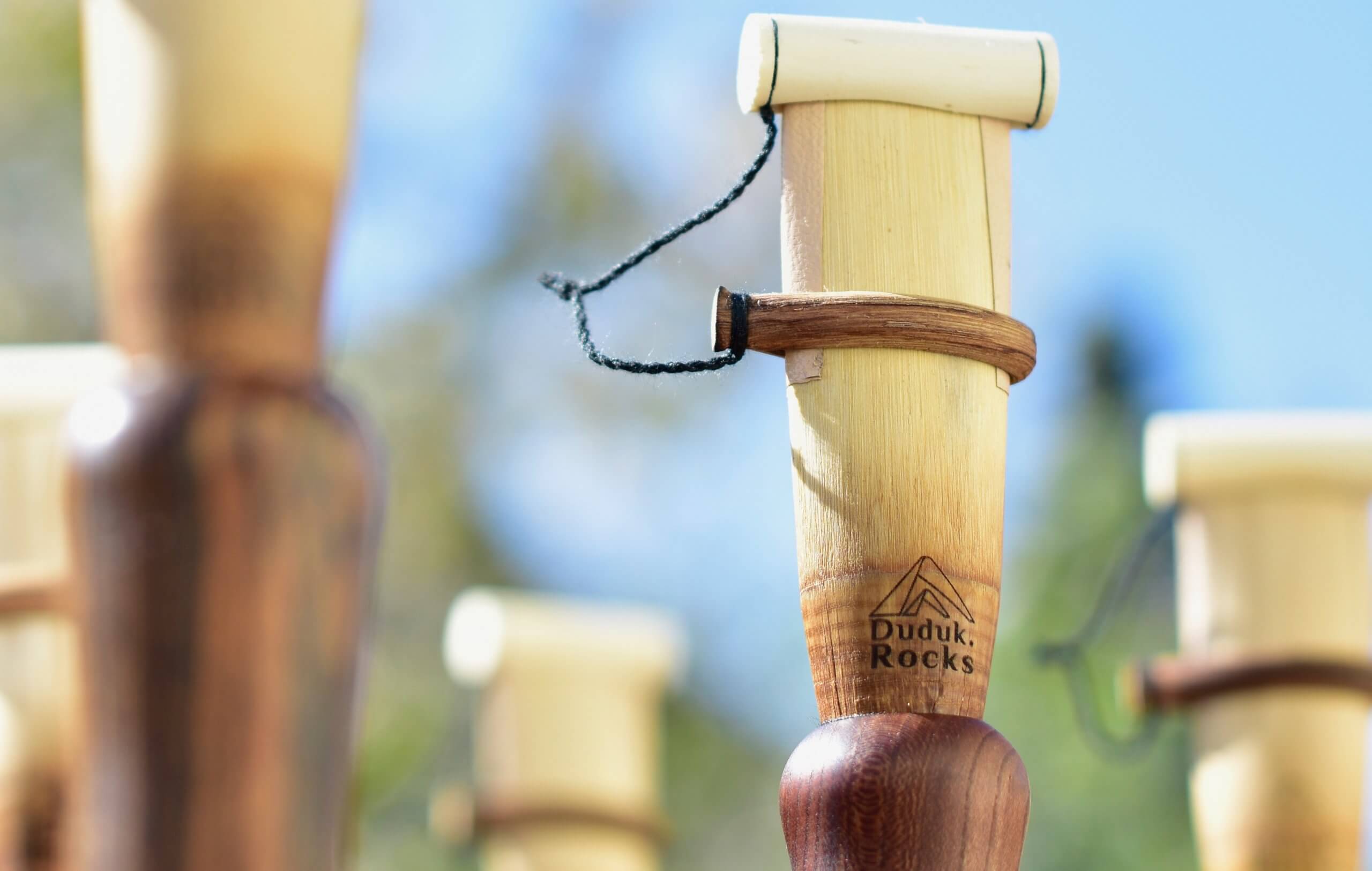
A duduk reed is the mouthpiece attached to the top of the instrument. Unlike metal or synthetic mouthpieces used on some modern wind instruments, the duduk reed is traditionally handmade from natural cane.
When air passes through the reed, it vibrates and creates the sound that travels through the body of the duduk.
The Armenian duduk uses a large double reed, which gives the instrument its smooth, warm, and breath-like tonal quality. This design is one of the key differences between the duduk and many other double-reed instruments found in neighboring musical traditions.
Even though the oboe and bassoon also utilize double-reed mouthpieces, their construction and playing techniques are not comparable to those of the duduk.
Why the Duduk Reed is so Important
The reed directly influences almost every aspect of duduk performance, including:
- Tone warmth
- Air resistance
- Pitch stability
- Dynamic control
- Emotional expression
- Vibrato response
- Playing comfort
Even two reeds made by the same craftsman can behave differently. Small variations in thickness, flexibility, or opening size may completely change the playing experience.
Traditional Materials used for Duduk Reeds
Authentic duduk reeds are traditionally made from Arundo donax, a natural cane known for its acoustic flexibility and durability.
Craftsmen carefully select sections of cane that possess the correct density and structure. The material must remain flexible enough to vibrate smoothly while still maintaining stability and resistance.
The selection process is extremely important because the quality of the cane directly affects the final tone of the instrument.
For generations, Armenian reed makers have treated this process as a specialized craft requiring patience, precision, and musical understanding.
How a Duduk Reed is Made
Making a duduk reed is a delicate and time-consuming process.
First, the cane is softened in water to increase flexibility. Afterward, the material is carefully shaped and trimmed to specific dimensions.
The reed then undergoes several finishing stages, including:
- Fine cutting
- Sanding
- Opening adjustments
- Thread wrapping
- Regulator fitting
- Precision tuning
Every small modification influences airflow and sound production.
This handcrafted approach is one reason why traditional Armenian duduk performance maintains such a strong artistic identity.
How the Duduk Reed Creates an Emotional Sound
The emotional quality of the duduk is closely connected to the structure of its reed.
The wide double-reed design allows musicians to produce:
- Smooth tonal transitions
- Breath-like phrasing
- Soft attacks
- Delicate ornamentation
- Warm sustained notes
These characteristics help the duduk imitate the natural expression of the human voice.
In Armenian music, emotional nuance is often more important than technical speed or aggressive projection. Because of this, the reed must remain highly responsive to small changes in breath pressure and embouchure control.
This sensitivity is part of what gives the duduk its haunting and intimate sound.
The Evolution of Duduk Reeds
Historically, older duduks had limited tuning possibilities, which restricted their use in modern ensembles and orchestral settings.
During the twentieth century, important Armenian masters helped improve the construction of both the instrument and its reeds. Among the most influential innovators was Karlen Matevosyan, whose developments helped modernize the duduk family.
These improvements increased tuning accuracy, tonal balance, and reed responsiveness while preserving the traditional warmth of the instrument.
As a result, the duduk became more adaptable to:
- film music,
- jazz fusion,
- orchestral collaborations,
- and contemporary world music.
Today, modern duduk reeds combine traditional craftsmanship with refined acoustic precision.
Maintenance and Care of the Duduk Mouthpiece (Ghamish)
The Duduk mouthpiece, also known as the Ghamish or Duduk reed, is an organic component that requires regular care to preserve its responsiveness and soulful tone. Because a Duduk reed is made of aged cane, it is highly sensitive to humidity and temperature fluctuations.
Proper Care and Storage of your Duduk Reed
- The Cap: Always place the wooden cap over the Duduk mouthpiece when not in use. It protects the tip and helps the cane maintain its flattened shape. The tip of the reed should be completely covered!
- Drying: After playing your Duduk, allow the mouthpiece to air-dry for a few minutes. Never store a damp Duduk reed in an airtight container!
- The Regulator: Use the regulator to adjust the opening of the Duduk mouthpiece and its pitch. Slide it toward the tip to open the reed or downward to close it.
Important Notes on the Duduk Mouthpiece Regulator
In professional-quality Duduk reeds, the regulator is precisely fitted to the mouthpiece. Ensure there are no gaps between the regulator and the cane.
- If a large gap is visible, the regulator of your Duduk mouthpiece may be upside down.
- For Orientation: The thread tied to the regulator should always point downward.
Recommended Cleaning of the Duduk Mouthpiece
To keep your Duduk reed in top condition and remove buildup, follow this procedure:
- Preparation: Completely remove the regulator and the cap from the Duduk mouthpiece.
- External Cleaning: Briefly moisten the outside of the Duduk reed with cold water (keep the thread at the base dry). Rub gently with your thumb from the shank toward the tip to remove dirt from the mouthpiece.
- Internal Cleaning: Fill the Duduk mouthpiece with water while sealing the tip. Blow through it with pressure to flush out any residue inside the reed.
- Final Step: Reattach the parts and let the Duduk reed dry in a well-ventilated area.
What to Avoid with your Duduk Mouthpiece
- No Prolonged Soaking: Never submerge the Duduk mouthpiece completely. Over-saturating a Duduk reedcauses it to lose tension.
- No Forced Opening: If your Duduk reed is dry and closed, do not force it open with your fingers.
- No Chemical Cleaners: Alcohol or soaps will damage the organic fibers of the Duduk mouthpiece.
- Avoid Direct Heat: Sunlight or hairdryers will cause structural cracks in the Duduk reed.
Why Duduk Reeds Change Over Time
Because duduk reeds are made from natural cane, they constantly react to environmental conditions.
Factors such as:
- humidity,
- temperature,
- air pressure,
- pressing pressure / position,
- and playing frequency
can all influence the behavior of the reed.
Over time, reeds may soften, dry out, or slightly change shape. This can affect:
- tuning,
- airflow resistance,
- tonal warmth,
- and playing comfort.
For this reason, experienced players often rotate between several reeds depending on weather conditions and musical situations.
Choosing the Right Duduk Reed
Selecting the right duduk reed depends on several important factors.
Playing Level
Beginners generally prefer softer reeds because they respond more easily and require less air pressure.
Advanced players often choose medium or less commonly, hard reeds for greater tonal depth and control.
Duduk Key
Different duduk sizes require matching reed dimensions to maintain balance and tuning accuracy.
Tone Preference
Some reeds produce darker and deeper sounds, while others offer brighter projection.
Playing Environment
Climate conditions may influence which reed performs best in certain situations.
Finding the right reed often requires experimentation and experience.
The Role of the Reed in Modern Duduk Music
Today, the duduk is heard far beyond traditional Armenian folk music.
Its emotional tone has become popular in:
- movie soundtracks,
- ambient music,
- jazz,
- meditation music,
- and international collaborations.
Composers and musicians continue to value the instrument because of its ability to communicate emotion with remarkable simplicity.
In every performance, the reed remains central to the instrument’s voice.
Without the reed’s delicate vibration and flexibility, the duduk would lose much of its expressive identity.
Conclusion
The duduk reed is one of the most important elements of the Armenian duduk.
From the careful selection of natural cane to the detailed shaping and tuning process, every stage of reed making contributes to the instrument’s emotional sound and expressive power.
Understanding the reed helps musicians and listeners better appreciate why the duduk continues to captivate audiences around the world.
More than a technical component, the reed represents centuries of Armenian craftsmanship, musical tradition, and artistic expression.
FAQ About Duduk Reeds
What is a duduk reed?
A duduk reed is the mouthpiece attached to the Armenian duduk. It vibrates when air passes through it, creating the instrument’s warm and emotional sound.
What are duduk reeds made from?
Traditional duduk reeds are handmade from natural cane called Arundo donax. This material is valued for its flexibility and acoustic qualities.
Why is the duduk reed important?
The reed controls tone, airflow, tuning, vibrato, and emotional expression. It plays a major role in creating the characteristic sound of the duduk.
How long does a duduk reed last?
A duduk reed can last several months or longer depending on maintenance, humidity, playing frequency, and storage conditions.
Why do duduk reeds change sound over time?
Natural cane reacts to temperature and humidity changes. Over time, the reed may soften or slightly change shape, affecting tone and response.
Are all duduk reeds the same?
No. Every handmade reed has small differences in flexibility, thickness, and response. These variations affect the playing experience and sound quality.
Which duduk reed is best for beginners?
Beginners usually prefer softer reeds because they require less air pressure and are easier to control while learning.
How should I store a duduk reed?
A duduk reed should be stored in a dry protective case away from excessive heat or humidity to preserve its shape and performance.
Can the reed affect the emotional sound of the duduk?
Yes. The reed is one of the main reasons the duduk produces such a soft, expressive, and human-like sound.
Why do professional duduk players use multiple reeds?
Different reeds respond differently depending on climate conditions, musical style, and personal playing preferences. Many professionals rotate between several reeds.